
-
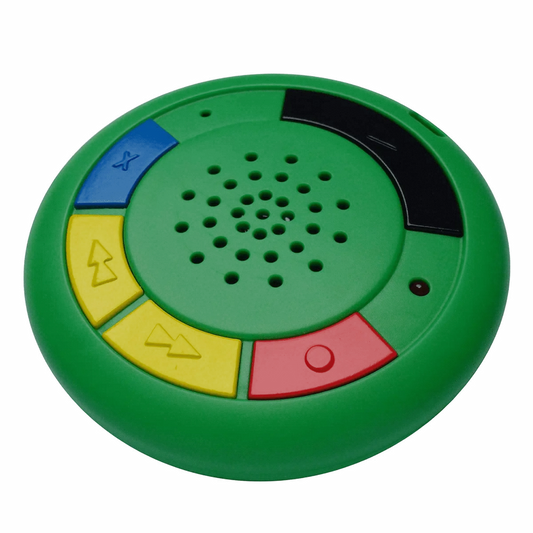
Multi-Memo Voice Recorder 6 minutes
Regular price £17.94 GBPRegular priceUnit price per -
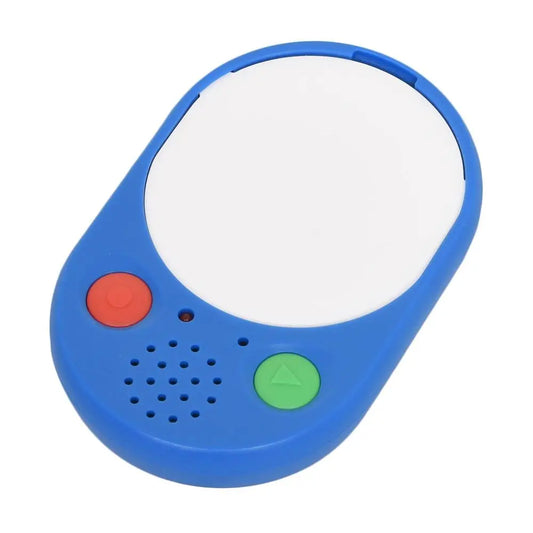
Voice Pad Single 40 seconds
Regular price £10.00 GBPRegular priceUnit price per -
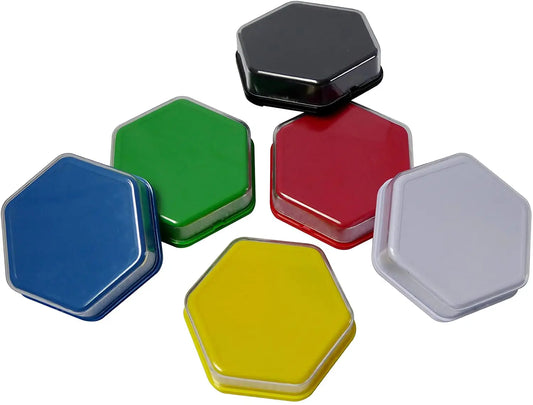
Talking Tile
Regular price £83.99 GBPRegular priceUnit price per -
Philips Voice Tracer DVT2015 8GB Digital Voice Recorder (with SemblyAI Voucher)
Regular price £59.99 GBPRegular priceUnit price per -
Olympus VN-541PC Digital Notetaker
Regular price £49.99 GBPRegular priceUnit price per -
Philips DVT1170 VoiceTracer Audio Recorder
Regular price £46.00 GBPRegular priceUnit price per -
Micro-Speak Plus 1GB Yellow Voice Recorder for Dyslexia, ADHD and SEND
Regular price £71.94 GBPRegular priceUnit price per -
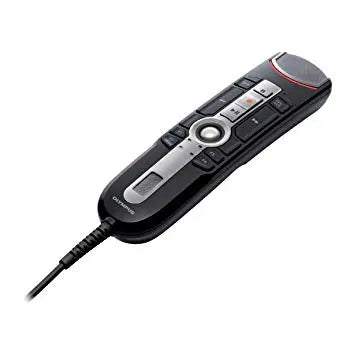
Olympus RecMic II RM-4010P Trackball System Edition
Regular price £232.00 GBPRegular priceUnit price per -
Olympus WS-882 4GB Digital Notetaker - Black
Regular price £79.99 GBPRegular priceUnit price per -
Philips DVT2075 VoiceTracer Audio Recorder
Regular price £89.57 GBPRegular priceUnit price per -
Talk Tracker
Regular price £77.99 GBPRegular priceUnit price per -
OM System RecMic II RM-4010N Trackball USB Dictation Microphone
Regular price £309.98 GBPRegular priceUnit price per -
OM Digital DS-2700 Dictation Recorder with ODMS R8 Dictation Licence
Regular price £299.99 GBPRegular priceUnit price per -
Philips DPM8900 Conference Recording Kit with SpeechExec Pro Dictate 11
Regular price £1,000.00 GBPRegular priceUnit price per -
Philips DPM8000 PocketMemo Dictation Recorder with SpeechExec Pro Dictate 11
Regular price £674.99 GBPRegular priceUnit price per -
Philips DPM8200 PocketMemo Dictation Recorder with SpeechExec Pro Dictate 11
Regular price £674.99 GBPRegular priceUnit price per





Frequently asked questions
What is a dictaphone?
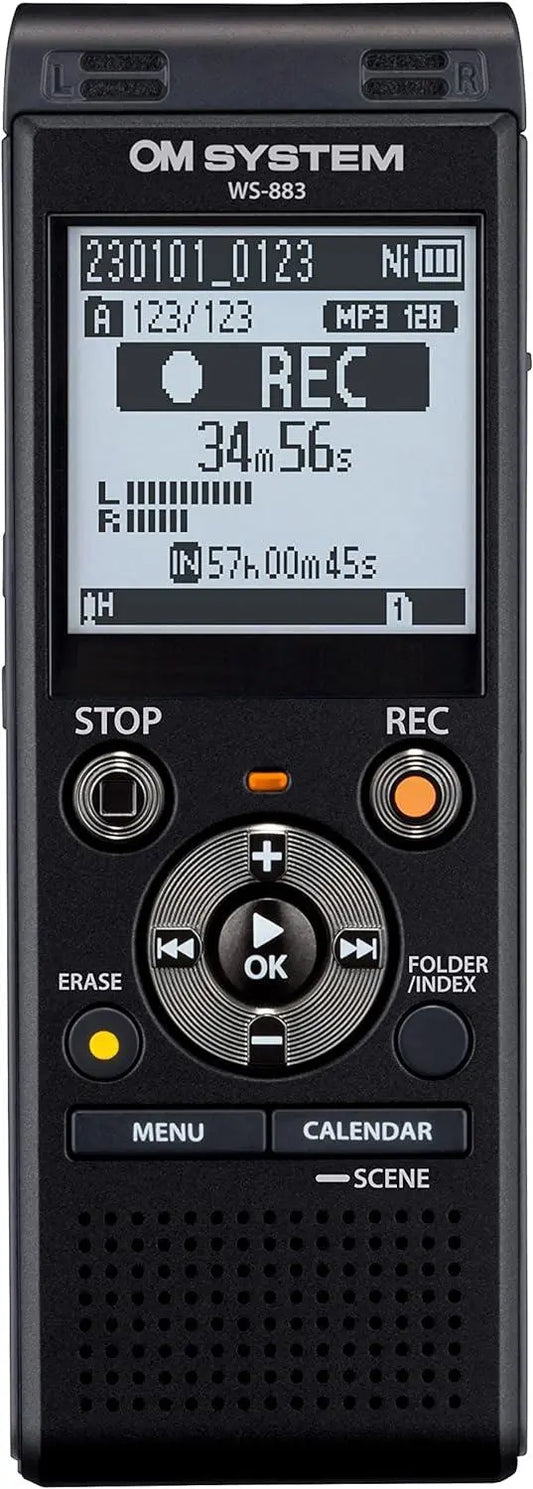
A dictaphone is a small handheld device for recording speech. The name began as a brand and became the everyday word for any portable voice recorder. Modern ones are digital, saving audio as files you can transfer to a computer rather than onto tape. In SEND settings they are used so learners can capture what was said and revisit it later.
How does a digital voice recorder help someone with dyslexia?
It separates listening from writing. Taking notes while following a lesson or meeting is a dual task, and for someone with dyslexia, dysgraphia or dyspraxia the writing usually costs them the listening. Recording the session means they can concentrate at the time and write up afterwards at their own pace, replaying anything they missed.
Do digital voice recorders transcribe recordings into text?
Most standalone recorders capture audio only. Transcription is normally done afterwards by software on a computer or phone, which converts the recorded file into text. Some devices are sold bundled with transcription software, so check the individual product description if converting to text matters to you rather than assuming the device does it on its own.
Can I get a voice recorder through Access to Work?
Access to Work is a government scheme that can fund equipment and support for disabled people in employment, including assistive technology for dyslexia and dyspraxia. Applications are made by the employee rather than by the supplier. If your assessor has recommended a recorder, contact us and we can provide a written quote for the device you need.
How do schools use digital voice recorders for SEND pupils?
Schools typically issue them to pupils on SEN support or with an EHCP so lesson content is accessible without relying on handwritten notes. They are also used for recording homework instructions, capturing pupil voice for reviews, and revision across Key Stage 3 to 5. Simple one-button models work best, because anything requiring a menu tends to go unused.
Are digital voice recorders easy enough for a child to use?
Yes, provided you choose a simple model. Look for one physical record button, a clear indicator light and no menu navigation, so a child can start and stop recording without adult help. Avoid devices aimed at journalists or musicians, which have multiple modes and settings that create more problems than they solve in a classroom.
How long can a digital voice recorder record for?
Recording length depends on storage capacity and audio quality setting, so a device set to a lower quality will hold considerably more hours than the same device at high quality. Battery life is the other limit and is quoted separately. Check both figures on the individual product page, since they vary widely across the range.