
-
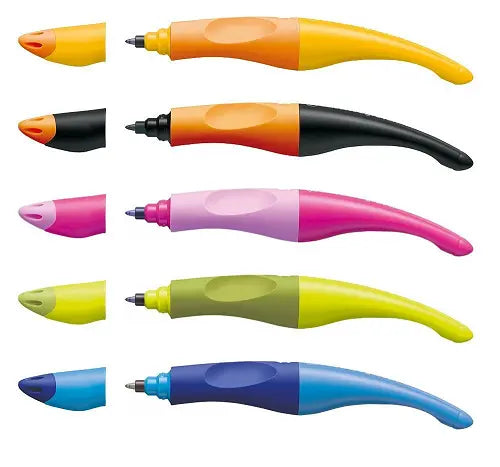
Stabilo EASY Original Pen
Regular price £10.36 GBPRegular priceUnit price per -
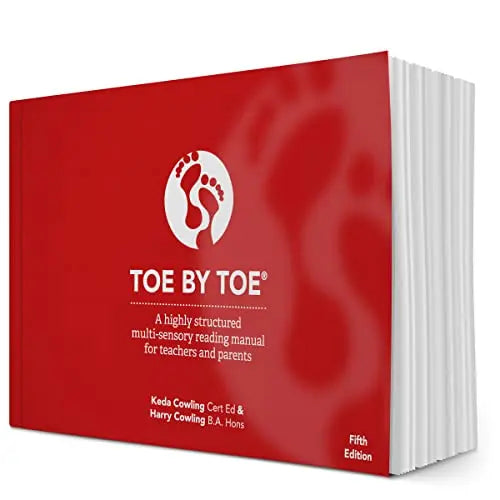
Toe by Toe : A Highly Structured Multi-sensory Reading Manual for Teachers and Parent
Regular price £30.00 GBPRegular priceUnit price per -
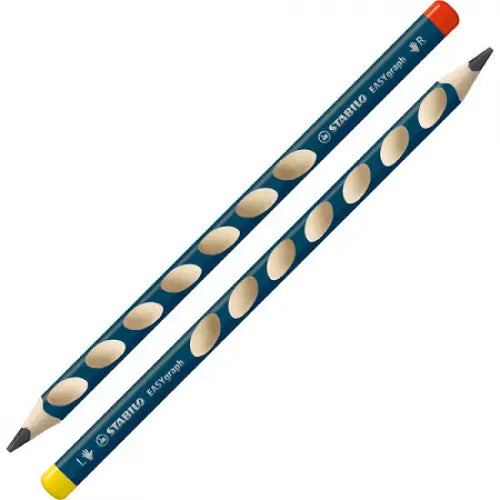
STABILO EASYgraph ergonomic pencils
Regular price From £2.24 GBPRegular priceUnit price per -
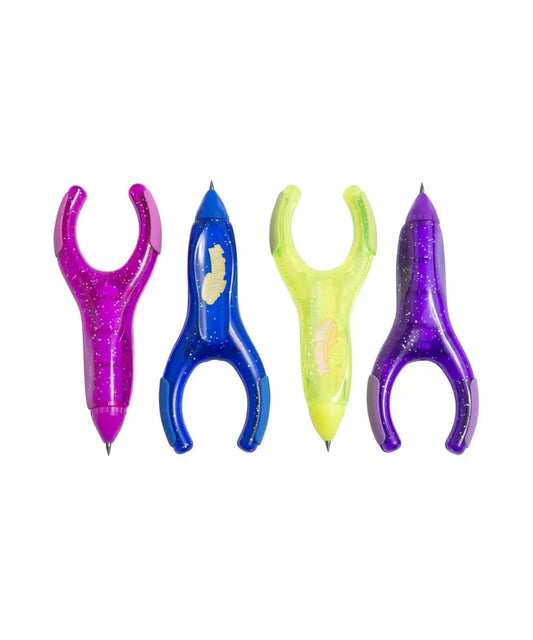
Twist 'n Write Pencils
Regular price From £9.95 GBPRegular priceUnit price per -
Phase 2 & 3 'Letters & Sounds' Synthetic Phonic Cards
Regular price £2.50 GBPRegular priceUnit price per -
Spelling Rules Directory Flip Book
Regular price £11.99 GBPRegular priceUnit price per -
Multiplication Tables Fan
Regular price £4.99 GBPRegular priceUnit price per -
Stareway to Spelling
Regular price £16.50 GBPRegular priceUnit price per -
Multiplication Wheel
Regular price £2.50 GBPRegular priceUnit price per -
A4 Lined Whiteboard, Pen, Erasing Felt & Bag
Regular price £2.50 GBPRegular priceUnit price per -
A4 Whiteboard, Pen, Erasing Felt & Bag - Letter Formation
Regular price £2.50 GBPRegular priceUnit price per -
Phase 5 'Letter and Sounds' Synthetic Phonic Cards
Regular price £2.50 GBPRegular priceUnit price per -
Therapeutic Putty
Regular price From £8.50 GBPRegular priceUnit price per -
Talking Tins (Red 40 Second Tin)
Regular price £8.99 GBPRegular priceUnit price per -
Child's Equivalence Chart (Fraction, Decimal & Percentage)
Regular price £1.99 GBPRegular priceUnit price per -
Show-Me - A4 Gridded Tinted Drywipe Boards
Regular price £3.50 GBPRegular priceUnit price per




Frequently asked questions
What are teaching aids?
Teaching aids are resources that help teachers explain ideas and help pupils practise them, such as phonics cards, number lines, charts, magnetic letters and dry-wipe boards. They make abstract ideas easier to see, hear or handle. In primary schools they are used across EYFS, Key Stage 1 and Key Stage 2, and parents use many of the same resources for practice at home.
What are the different types of teaching aids?
The main types of teaching aids are visual, hands-on and audio aids. Visual aids include charts, posters, number lines and flash cards. Hands-on aids include magnetic letters, counters, base ten blocks and dry-wipe boards that pupils can move and write on. Audio aids include recordable devices such as Talking Tins. Digital tools and interactive whiteboards are often counted as a further type.
Why are teaching aids important in the classroom?
Teaching aids are important because they turn an explanation into something pupils can see and practise for themselves. A phonics chart, number line or place value grid gives every child the same model to refer back to, and reusable resources such as dry-wipe boards let teachers check answers from the whole class at a glance and spot who needs more help.
What teaching aids does a primary classroom need?
A primary classroom needs a core set of teaching aids for English and maths: phonics sound charts and cards, high-frequency word fans, spelling resources, number lines, place value grids, times tables fans or squares, and a class set of dry-wipe boards. Handwriting boards, exercise books and a few hands-on maths resources complete a practical kit for Key Stage 1 and Key Stage 2.
What teaching aids can parents use at home?
Parents can use simple teaching aids at home such as a 44 sounds chart, phonics flash cards, a high-frequency word fan, a number line, a times tables fan and a dry-wipe board with a pen. These match what children learn at school, are quick to use in short sessions, and can be reused many times as your child moves through Key Stage 1 and Key Stage 2.
Are teaching aids effective for all age groups?
Teaching aids work at every age, but the right type changes as children grow. In EYFS and Key Stage 1, hands-on resources such as magnetic letters, phonics cards and counting equipment help most. In Key Stage 2, pupils move towards reference aids such as spelling flip books, multiplication squares and equivalence charts, which support more independent work in lessons and at home.
How can teaching aids be adapted for pupils with SEND?
Teaching aids can be adapted for pupils with SEND by choosing structured, visual and multi-sensory versions and using them for longer and more often. Tinted dry-wipe boards, desk-top sound charts, magnetic letters and structured programmes such as Toe by Toe give extra repetition and support. A SENCO can advise on which resources match a pupil's SEN support plan or EHCP.