
-
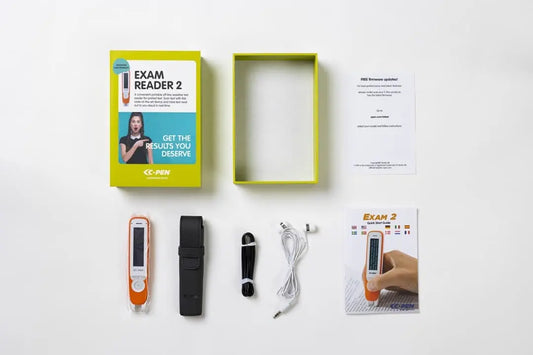
C-Pen Exam Reader 2 - Dyslexia Reading Pen for JCQ-Regulated Exams
Regular price £358.80 GBPRegular priceUnit price per -
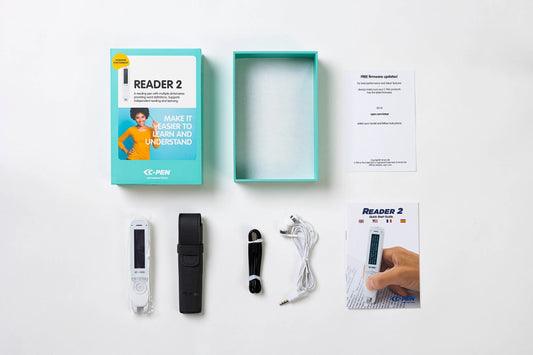
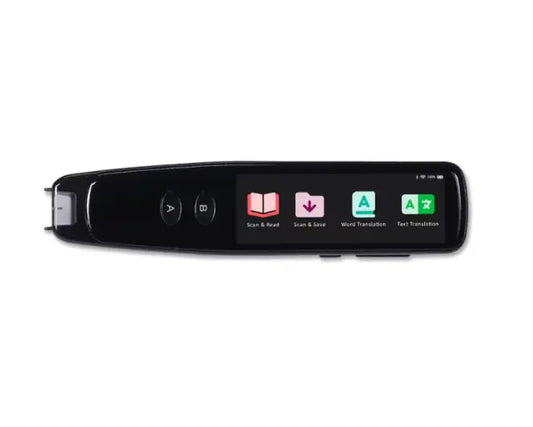
C-Pen Reader 2 — Text-to-Speech Reading Pen for Dyslexia
Regular price £358.80 GBPRegular priceUnit price per -
44 Sounds Desk Top Charts - Single
Regular price £2.99 GBPRegular priceUnit price per -
C-Pen Reader 3 – Reading Pen for Dyslexia
Regular price £418.80 GBPRegular priceUnit price per -
C-Pen Secure Reader 2
Regular price £358.80 GBPRegular priceUnit price per -
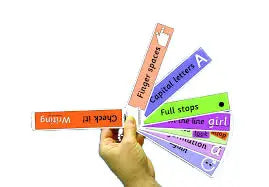
Check it! Writing fan
Regular price £2.50 GBPRegular priceUnit price per -
Everway Read & Write Yearly Subscription - Dyslexia Software
Regular price £300.00 GBPRegular priceUnit price per -
44 Sounds Desk Top Charts (Pack of 6)
Regular price £14.98 GBPRegular priceUnit price per -
Dandelion Readers - Units 1-10 (Set 2)
Regular price £20.00 GBPRegular priceUnit price per -
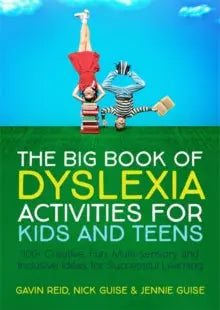
The Big Book of Dyslexia Activities for Kids and Teens
Regular price £27.99 GBPRegular priceUnit price per -
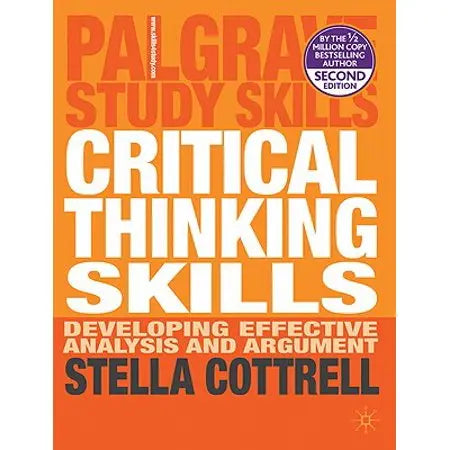
Critical Thinking Skills: Developing Effective Analysis and Argument (Palgrave Study Skills)
Regular price £18.99 GBPRegular priceUnit price per -
e-pens Explore Scanner
Regular price £160.00 GBPRegular priceUnit price per -
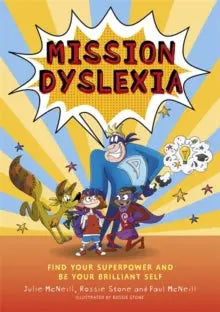
Mission Dyslexia : Find Your Superpower and be Your Brilliant Self
Regular price £16.99 GBPRegular priceUnit price per -
Dyslexia Portfolio Complete Set
Regular price £364.00 GBPRegular priceUnit price per -
Creative Successful Dyslexic: 23 High Achievers Share Their Stories
Regular price £15.99 GBPRegular priceUnit price per -
C-Pen Lingo 3
Regular price £418.80 GBPRegular priceUnit price per








Frequently asked questions
What are dyslexia aids?
Dyslexia aids are practical tools that reduce the effort reading, writing or spelling demands, so a dyslexic learner can focus on the content rather than the mechanics. They range from low-cost visual supports such as coloured overlays and reading rulers through to assistive technology like reader pens, and structured literacy programmes that teach decoding systematically.
Which dyslexia aid should I buy first?
Start with the sharpest difficulty rather than buying broadly. If the learner loses their place or reports words moving on the page, begin with a reading ruler or coloured overlay. If they cannot decode unfamiliar words, a reader pen or a structured phonics programme will do more. Buying one well-matched item beats buying five that address the wrong problem.
Do coloured overlays help with dyslexia?
Coloured overlays address visual stress, a separate condition that often occurs alongside dyslexia rather than forming part of it. Where a reader describes glare, blurring or words appearing to move, an overlay frequently helps straight away. Where the difficulty is decoding or spelling, an overlay will not address it and a structured literacy approach is the right choice.
Do I need a diagnosis before using dyslexia resources?
No. Nothing in this range requires a formal diagnosis, and most of it is simply good practice for any learner who finds reading or spelling hard. A diagnostic assessment matters for formal access arrangements and for EHCP processes, but it is not a prerequisite for trying an overlay, a reading ruler or a phonics programme at home or at school.
What dyslexia resources do schools use?
Schools usually build provision around a small set of items used consistently rather than a wide range used occasionally. Typical classroom kit includes overlays, reading rulers and tinted exercise books available to any pupil who needs them, with structured literacy programmes reserved for targeted intervention with pupils on SEN support or with an EHCP. Consistency matters more than variety.
How can I support a dyslexic child at home?
Keep sessions short, frequent and low-pressure, and separate practice from homework so reading does not become associated only with being assessed. Games and paired reading work better than drilling. Reader pens let a child access books at their interest level rather than their decoding level, which protects motivation while the underlying skills are still developing.
What is the difference between a dyslexia aid and a literacy programme?
An aid makes a task easier without changing the underlying skill, so a reading ruler helps someone track a line today but does not teach decoding. A structured literacy programme teaches the skill itself over weeks or months. Most learners benefit from both: the programme builds capability, the aid keeps them accessing the curriculum meanwhile.