
-
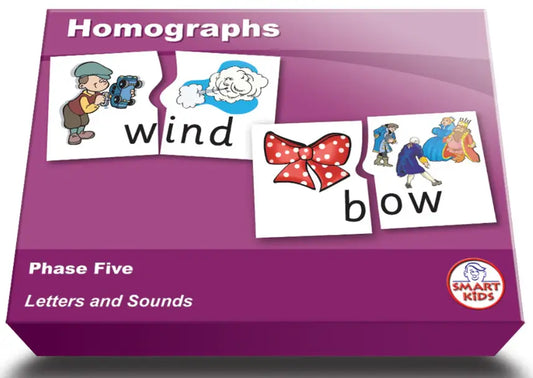
Homographs Puzzles
Regular price £10.00 GBPRegular priceUnit price per -
Peter Rabbit™ Heads and Tails
Regular price £10.00 GBPRegular priceUnit price per -
 Sold out
Peter Rabbit™ 4-in-a-Box Puzzles
Regular price £6.67 GBPRegular priceUnit price per -
Knock Knock! first words
Regular price £19.00 GBPRegular priceUnit price per -
Night Night
Regular price £19.00 GBPRegular priceUnit price per -
The Pods – Phase 2
Regular price £25.00 GBPRegular priceUnit price per -
Mathcubes - Addition
Regular price £23.99 GBPRegular priceUnit price per -
Mathcubes - Number Lines
Regular price £16.00 GBPRegular priceUnit price per -
Mathcubes - Hundreds Board
Regular price £23.99 GBPRegular priceUnit price per -
Teacher Planner Nursery
Regular price £26.66 GBPRegular priceUnit price per -
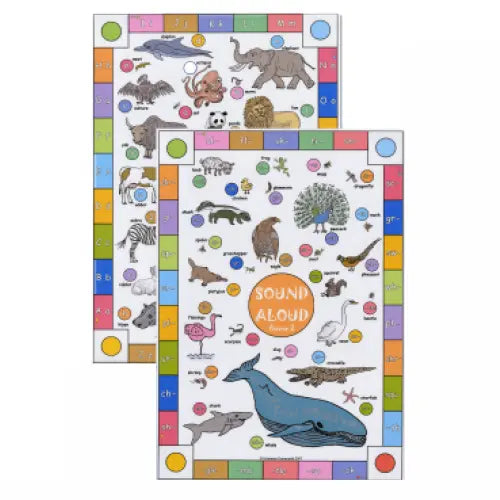
Sound Aloud
Regular price £4.67 GBPRegular priceUnit price per -
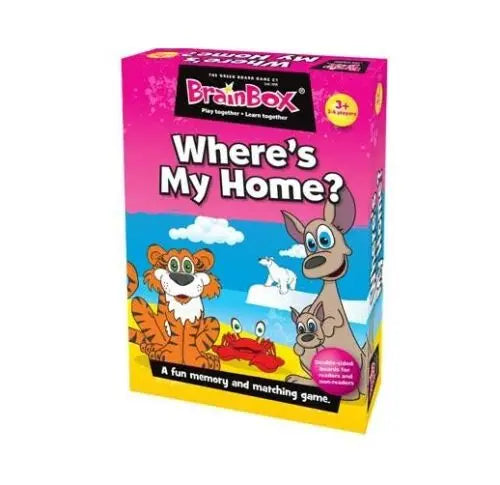
Where's My Home?
Regular price £5.60 GBPRegular priceUnit price per -
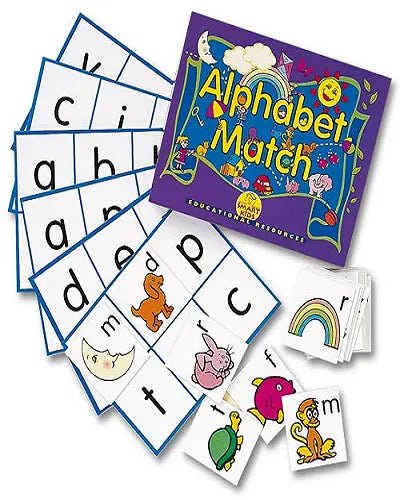
Alphabet Match
Regular price £14.39 GBPRegular priceUnit price per -
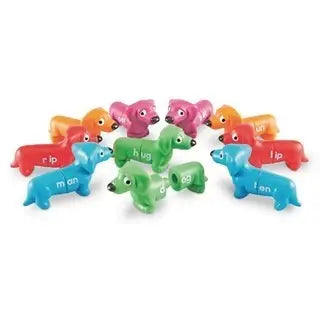
Snap n Learn Rhyming Pups
Regular price £15.83 GBPRegular priceUnit price per -
Neck of the Woods
Regular price £16.00 GBPRegular priceUnit price per -
Counting Train
Regular price £15.34 GBPRegular priceUnit price per




Frequently asked questions
What are SEND educational games and toys?
SEND educational games and toys are play-based learning resources designed for pupils with Special Educational Needs and Disabilities, including dyslexia, dyscalculia, dyspraxia, ADHD and sensory processing needs. They cover phonics, spelling, maths, fine-motor skills and emotional regulation, and are typically multisensory, with chunky tactile pieces and clear visual cues so children can practise core skills without heavy reading or writing load.
How do hands-on games help children with dyslexia or dyscalculia?
Hands-on games give learners a multisensory route into reading, spelling and number skills, which the British Dyslexia Association recommends as good practice. Manipulating dominoes, dice, counters or magnetic letters builds memory through movement and touch, not just sight, which suits dyslexic and dyscalculic learners who often struggle with abstract written work. Short rounds also keep frustration low and confidence high.
Can educational games and toys help children with ADHD focus?
Yes. Short-round games with clear, predictable rules suit children with ADHD because they pair structure with novelty. The visible turn-taking, instant feedback and physical handling of pieces help sustain attention far better than worksheets. Many of our games can be played in five to ten minutes, which fits naturally with the short, frequent practice sessions recommended in the SEND Code of Practice for ADHD intervention.
Which games support fine-motor skills and dyspraxia?
Look for games with chunky pieces, peg-style components, dice with rounded edges and write-and-wipe activities. These build pencil grip, hand strength and bilateral coordination, all of which underpin handwriting for children with dyspraxia (Developmental Coordination Disorder). Our pegboards, Numicon shapes, jigsaws, and tactile dominoes are popular choices in occupational therapy and SENCO-led sessions for exactly this reason.
Are these games suitable for SEND classrooms and group work?
Yes, the range is curated for school use as well as home learning. Schools use these games in 1:1 SEND interventions, small-group sessions, EHCP provision and KS1 and KS2 literacy and numeracy stations. We supply primary schools, multi-academy trusts and local authorities on 30-day account, and our SEND specialists can recommend a starter set against a specific year group, intervention plan or pupil profile.
What age range do these games cover?
The range spans roughly age 3 through to 14-plus, with the strongest concentration in the 4 to 8 age band that maps to EYFS and KS1. Many games are also developmentally suitable for older SEND learners working at a younger reading or maths age, so play can match ability rather than chronological age. Each product page lists the manufacturer age guidance.
How do I choose the right educational game for my child?
Start with the skill you want to build - phonics, spelling, times tables, fine motor, focus or emotional regulation - then narrow by age and reading load. For SEND learners, prefer games with chunky pieces, low text on the components, short rounds and clear win conditions. If you are unsure, call our SEND specialists on 01394 671 818 and we will suggest two or three options against your child's profile.