
-
Chewbuddy™ Tubes - Twin Pack
Regular price £5.99 GBPRegular priceUnit price per -
Chewbuddy™ Stickman - Single
Regular price £9.98 GBPRegular priceUnit price per -
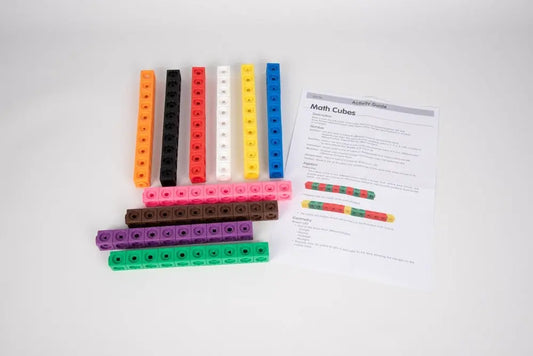
Math Linking Cubes - Pk100
Regular price £10.00 GBPRegular priceUnit price per -
SENSORY REFLECTIVE SOUND BUTTONS
Regular price £15.98 GBPRegular priceUnit price per£0.00 GBPSale price £15.98 GBP -
Body Massager with LED lights
Regular price £11.98 GBPRegular priceUnit price per -
Design & Drill® Abcs & 123S
Regular price £25.99 GBPRegular priceUnit price per -
Chewigem Twister Bangle (Child Size)
Regular price From £5.99 GBPRegular priceUnit price per -
Basketball Stand
Regular price £85.99 GBPRegular priceUnit price per -
Colour Changing Foam Batons -
Regular price £4.00 GBPRegular priceUnit price per£4.79 GBPSale price £4.00 GBPSale -
Big Feelings Pineapple™
Regular price £10.00 GBPRegular priceUnit price per -
Farmer's Market Colour Sorting Set - Learning Resources
Regular price £41.00 GBPRegular priceUnit price per -
Floor Spinner - Gonge
Regular price £74.99 GBPRegular priceUnit price per -
All About Me Family Counters™ (Set of 24)
Regular price £10.00 GBPRegular priceUnit price per -
Giant Soft Cubes (Set of 2)
Regular price £11.99 GBPRegular priceUnit price per -
Rainbow Ball Fidget Toy Puzzle
Regular price £8.99 GBPRegular priceUnit price per£0.00 GBPSale price £8.99 GBP




Frequently asked questions
What are baby sensory toys?
Baby sensory toys are toys that encourage babies and toddlers to explore through touch, sight, sound and movement. Typical examples include rattles, teethers, textured balls, stacking blocks, high-contrast black and white toys and water play sets. Good sensory toys are simple, suited to the child's age and easy to clean, and they give babies plenty to look at, hold and discover as their senses and coordination develop.
When should I introduce sensory toys to my baby?
You can introduce simple sensory toys from birth, as long as each toy is labelled as suitable for your baby's age. In the early weeks, many parents start with soft rattles and high-contrast designs, then add toys for grasping, stacking and dropping once their baby can sit and hold objects. Toddlers move on to sorting, matching and water play. Always follow the manufacturer's age guidance and supervise play.
Are sensory toys good for babies?
Yes, sensory toys give babies a safe way to practise skills they are already developing through everyday play, such as looking, reaching, grasping and mouthing. They also create chances to talk, name objects and play together. The most important ingredient is still time with a parent or carer, so choose a few well-made toys and play alongside your baby rather than buying lots at once.
When should I stop using black and white toys for my baby?
There is no fixed age to stop using black and white toys. The NHS notes that a newborn's vision is not very focused and develops gradually over the first few months, and NHS child development guidance describes babies liking certain colours by around 6 months. Many families keep high-contrast toys alongside brighter colours and simply follow their baby's interest as it changes.
What sensory toys are good for a 1 year old?
Good sensory toys for a 1 year old combine touch and movement with simple problem-solving, such as stacking blocks, activity centres and nesting arches. In our range, the Bigjigs Toys FSC Certified Triangular Activity Centre and the Rainbow Architect Arches are both suitable from 12 months. Look for chunky pieces that are easy to grip, and check the age label before buying.
Which sensory toys are best for nurseries and EYFS settings?
Nurseries and early years settings get the most from durable, easy-to-clean sensory resources that several children can share, such as silicone stacking sets, water play bowls, textured matching squares and wooden stacking toys. These support the EYFS prime areas of communication and language, physical development, and personal, social and emotional development. We supply nurseries, childminders and schools, and welcome school orders.
Can sensory toys help toddlers with sensory processing needs?
Sensory toys can give toddlers with sensory processing needs a predictable, calm way to explore touch, sound and movement at their own pace. A child who seeks extra input may enjoy textured toys or water play, while a child who is easily overwhelmed may prefer soft, quiet toys. If you have concerns, talk to your health visitor, GP or your child's nursery SENCO, who can advise on next steps.