
-
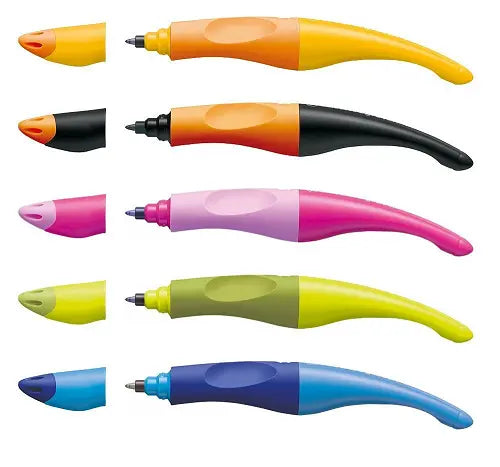
Stabilo EASY Original Pen
Regular price £9.82 GBPRegular priceUnit price per -
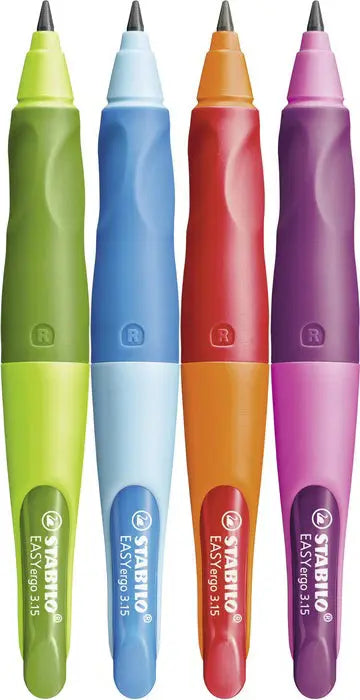
Stabilo EASYergo 3.15 Ergonomic Mechanical Pencil
Regular price £9.56 GBPRegular priceUnit price per -
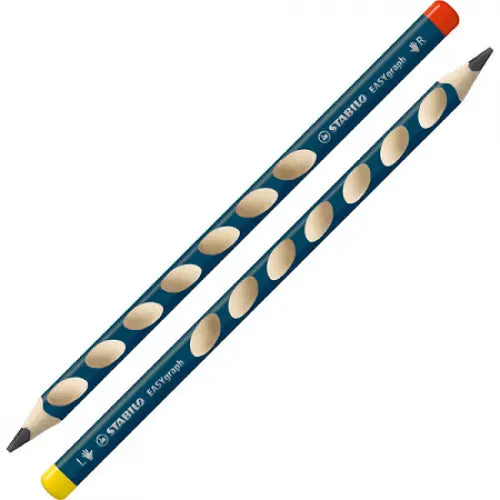
STABILO EASYgraph ergonomic pencils
Regular price From £0.99 GBPRegular priceUnit price per -
Twist 'n Write Pencils
Regular price From £9.95 GBPRegular priceUnit price per -
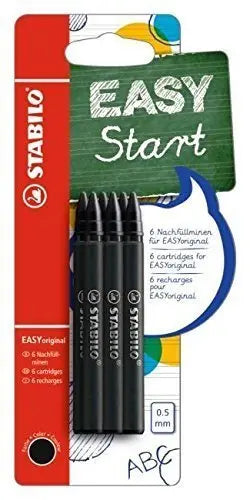
Stabilo EASY Original Pen Refill
Regular price From £2.50 GBPRegular priceUnit price per -
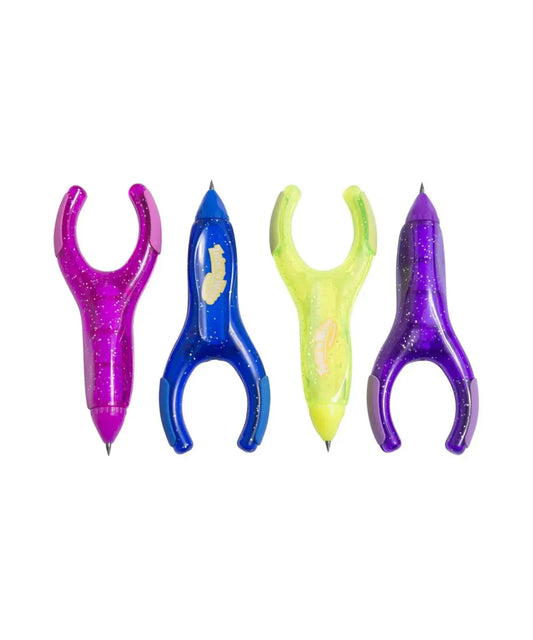
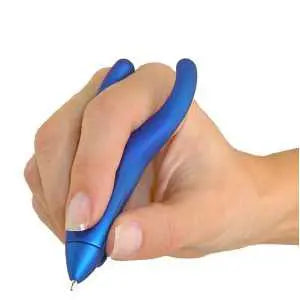
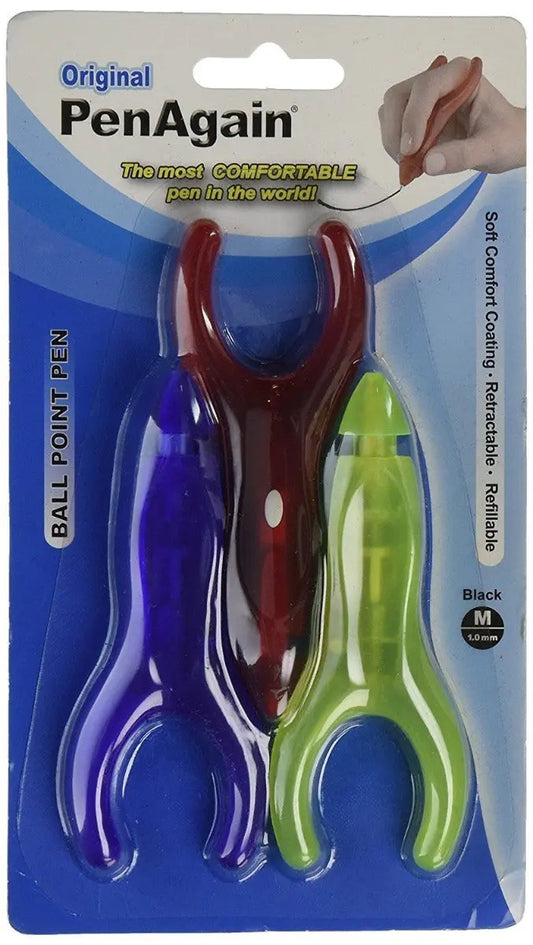
PenAgain Ergo-Sof Pen
Regular price From £10.95 GBPRegular priceUnit price per -
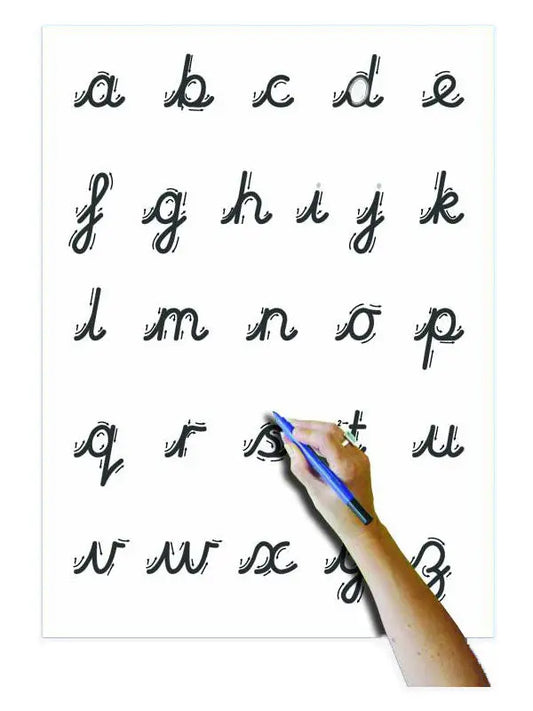
A4 Whiteboard, Pen, Erasing Felt & Bag - Cursive Letter Formation
Regular price £2.50 GBPRegular priceUnit price per -
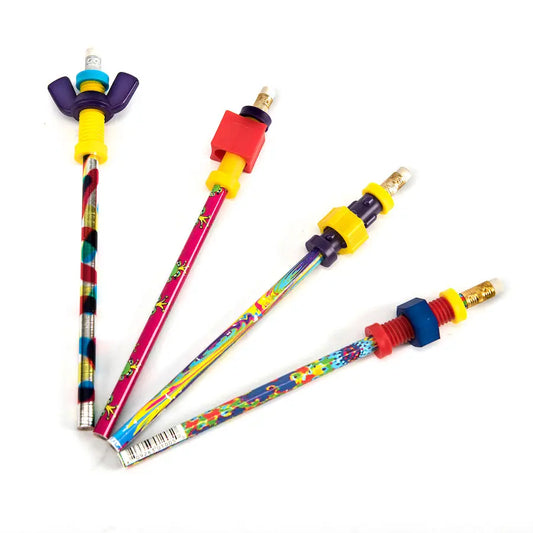
Fidget Pencil
Regular price £3.50 GBPRegular priceUnit price per -
Pen Again - Original
Regular price £13.95 GBPRegular priceUnit price per -
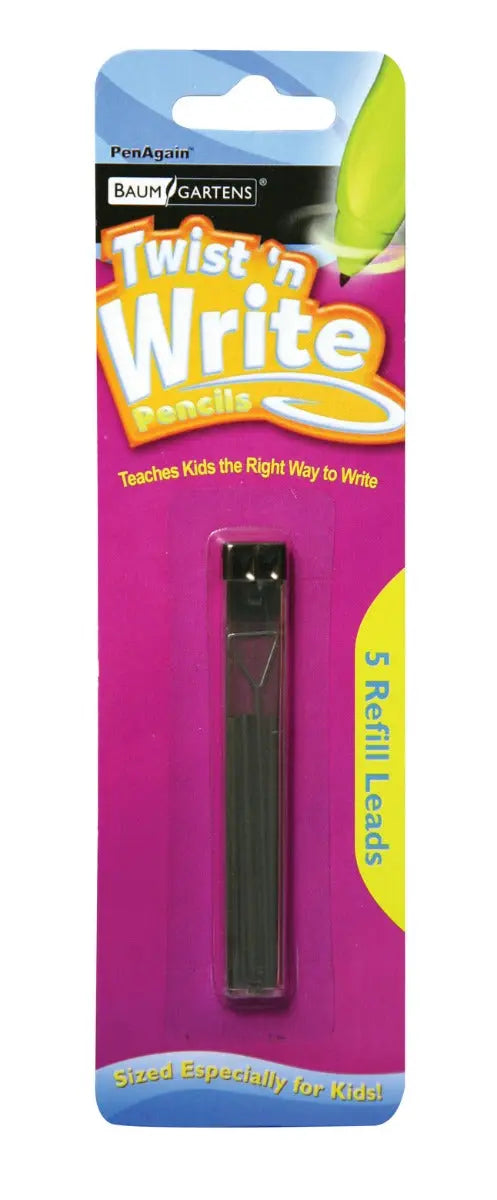
PenAgain Twist 'n Write Writer Pencil Refills
Regular price £6.99 GBPRegular priceUnit price per -
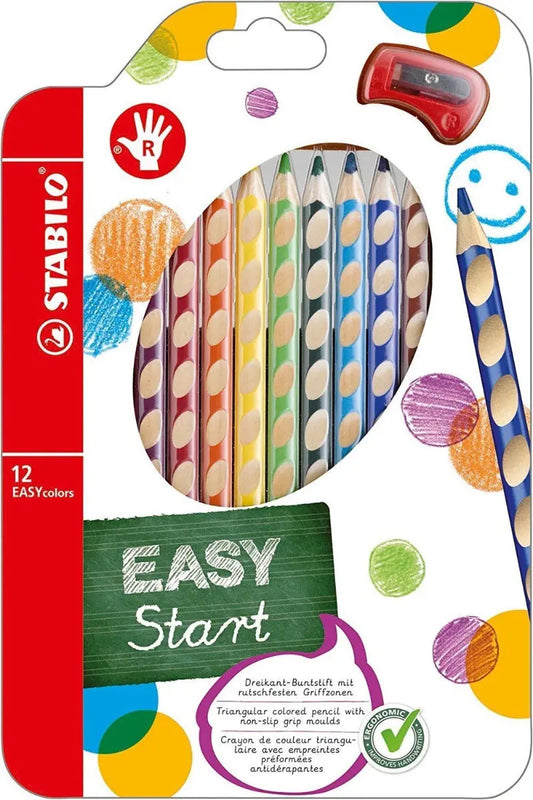
Stabilo Easy Colours
Regular price £14.99 GBPRegular priceUnit price per -
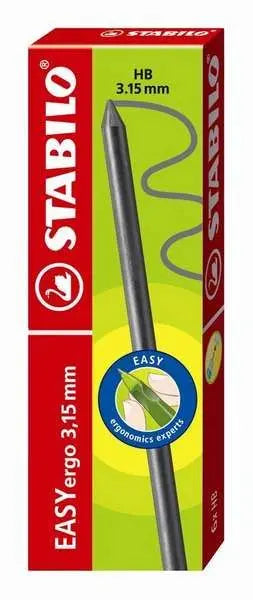
Stabilo EASYergo 3.15mm leads (Pack 6)
Regular price £4.78 GBPRegular priceUnit price per -
Maped Kidy'Grip Ruler 30cm
Regular price £2.50 GBPRegular priceUnit price per -
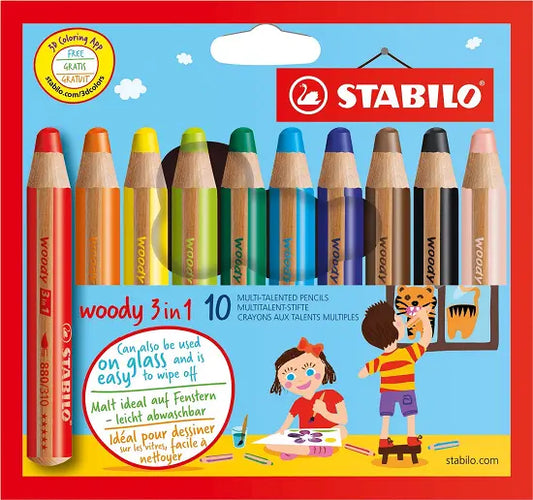
Stabilo Woody 3 in 1 Coloured Pencils - Pack 10
Regular price £21.84 GBPRegular priceUnit price per -
Berol Handwriting Pen Blue (Single)
Regular price £2.50 GBPRegular priceUnit price per


Frequently asked questions
What are writing aids and how do they help dyslexic learners?
Writing aids are pens, pencils, grips and accessories designed to make handwriting more comfortable and legible. For dyslexic learners they reduce the cognitive load of writing so working memory stays free for spelling and sentence construction. Triangular barrels, soft grips and refillable rollerball pens help dyslexic pupils write for longer without their hand cramping or letters drifting across the line.
Are pencil grips effective for dyspraxia (DCD)?
Pencil grips can help children with dyspraxia (DCD) by physically guiding the fingers into a tripod hold and reducing the fine-motor planning the child has to do for themselves. Triangular grips, pinch grips and moulded grips are widely used in occupational-therapy SEND interventions. They are most effective when paired with regular handwriting practice and adult supervision, not used in isolation.
What is the best pen for a child with dysgraphia?
The best pen for dysgraphia is one that requires the least pressure to write smoothly and supports a relaxed tripod grip. A rollerball or gel pen with a triangular ergonomic barrel, such as the Stabilo EASY Original or PenAgain Ergo-Sof, typically suits dysgraphic pupils best because the ink flows without the child needing to press hard. Trial both before buying in bulk for a class or year group.
Which writing aids help left-handed pupils?
Around one in ten people are left-handed, and those with dyspraxia or dysgraphia often need a pen designed specifically for the left hand to avoid smudging and a hooked wrist position. The STABILO EASY range, PenAgain Left and dedicated left-handed pencils all have the grip moulded for the correct hand, so the writer can see what they are writing and the ink dries cleanly.
Can pupils use specialist pens in GCSEs and A-level exams?
In most cases, yes. JCQ access arrangements allow pupils to use the pen they normally use in class, provided it produces blue or black ink and meets the school's exam-conditions check. Always confirm with your SENCO or exams officer before the exam day, especially for unusual or non-standard barrels. The Stabilo EASY Original, PenAgain and Berol Handwriting Pen are widely accepted in UK exams.
Do schools get bulk pricing on STABILO, PenAgain and ergonomic pens?
Yes. We offer school credit accounts on 30-day terms and quantity pricing on our STABILO, PenAgain, Yoropen, Maped, Berol and Faber-Castell ranges. Place an order against a school PO or contact us for a tailored quote on whole-class or whole-key-stage handwriting kits. SEND-specific bundles can be put together on request, and free UK delivery applies on orders over £100.
What age range do these writing aids cover?
Our pens, pencils and writing aids cover EYFS through to Key Stage 5, plus adult use. Triangular chunky pencils and Twist 'n Write are aimed at age 3 to 7, the STABILO EASYgraph and EASYoriginal at age 5 to 11, and refillable rollerballs like the PenAgain Ergo-Sof at age 11 and up, including adults with dyslexia, dyspraxia or dysgraphia.