
-
Speks. Blur Calming Focus Putty - Sensory Fidget for SEND
Regular price $14.00 USDRegular priceUnit price per -
 Sold out
NeeDoh Jelly Squish
Regular price $13.00 USDRegular priceUnit price per -
 Sold out
-
Speks Gump Stress Balls - The Memory Gel Stress Ball
Regular price $7.00 USDRegular priceUnit price per -
 Sold out
Mello Mallo Needoh
Regular price $8.00 USDRegular priceUnit price per -
 Sold out
Needoh Teenie Singles Nice Ice Baby
Regular price $8.00 USDRegular priceUnit price per -
 Sold out
Nice Cube Swirl Needoh
Regular price $10.00 USDRegular priceUnit price per -
 Sold out
NeeDoh Dippin Dazzler Eggs
Regular price $7.00 USDRegular priceUnit price per -
 Sold out
NeeDoh Teenie Sparkle Hearts 3 Pack
Regular price $9.00 USDRegular priceUnit price per -
 Sold out
-
Speks. Loop Gump - The Memory Gel Stress Ring 6cm
Regular price $7.00 USDRegular priceUnit price per -
 Sold out
Nice Berg Needoh
Regular price $15.00 USDRegular priceUnit price per -
 Sold out
Needoh Sploot Splat
Regular price $10.00 USDRegular priceUnit price per -
Speks. Pixel Edition 512 Magnet Balls
Regular price $32.00 USDRegular priceUnit price per -
Speks. Mini Gump Multi Colour 6 Pack - The Memory Gel Stress Ball
Regular price $17.00 USDRegular priceUnit price per -
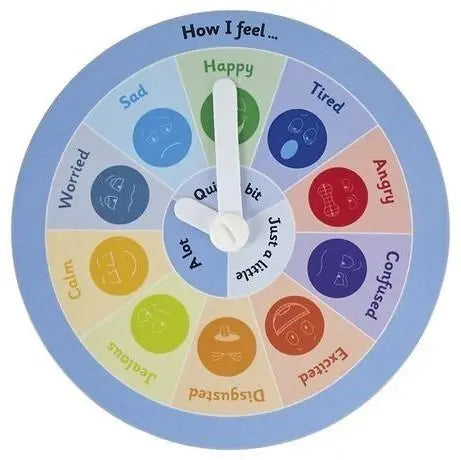
(Single) How I Feel Wheels
Regular price $7.00 USDRegular priceUnit price per


Frequently asked questions
What are good sensory toys for autistic children?
Good sensory toys for autistic children are ones that match how the child responds to sensory input. Children who seek input often enjoy tactile balls, stretchy NeeDoh squishies, light-up toys and sensory chews. Children who are easily overwhelmed often prefer calming tools such as weighted lap pads, liquid motion timers and ear defenders. Watching what your child already reaches for is the best starting point.
Why do autistic children like sensory toys?
Many autistic children experience sensory differences, finding some sounds, textures or lights too intense while actively seeking out others. Sensory toys give them a predictable source of input they can control, which supports self-regulation in busy places such as classrooms, dining halls and shops. Squeezable fidgets, sensory chews, ear defenders and weighted lap pads are among the most common choices.
Are sensory toys good for children with ADHD?
Yes, sensory toys suit many children with ADHD, particularly quiet fidgets that keep the hands busy while the child listens or works. Memory-gel stress balls, fidget putty and silicone textured fidgets work well at a desk. Agree a few simple rules with the class teacher first, because noisy, spinning or light-up toys are better kept for break times and home.
How do you set up a sensory space in school on a small budget?
Start with a calm corner rather than a full sensory room. A quiet seat, a few regulation tools such as fidgets and tactile balls, a pair of ear defenders and a weighted lap pad cover the main needs for a modest outlay. A pop-up den such as the LDA Mini Den adds a dark, enclosed space, and larger items such as sensory pods can follow as budget allows.
Can schools order sensory toys with a purchase order?
Yes. Schools, academy trusts and local authorities can order sensory toys from The Dyslexia Shop with an official purchase order. Email the purchase order to hello@thedyslexiashop.co.uk or call 01394 671 818 and our team will process it. We can also help SENCOs put together a mixed order of fidgets, chews, ear defenders and weighted items for a classroom or sensory room.
What age are sensory toys suitable for?
Sensory toys suit every age, from babies to adults, but each product carries its own age guidance, so always check the product page before buying. Toys with small parts or strong magnets, such as magnetic fidget balls, are not suitable for young children. Babies and toddlers need larger soft toys made for their age, while teenagers and adults often prefer discreet desk fidgets and stress balls.