
-
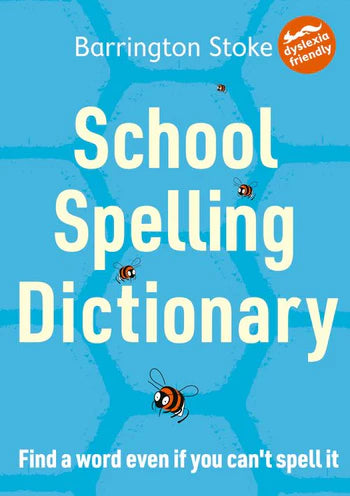
School Spelling Dictionary
Regular price £12.99 GBPRegular priceUnit price per -
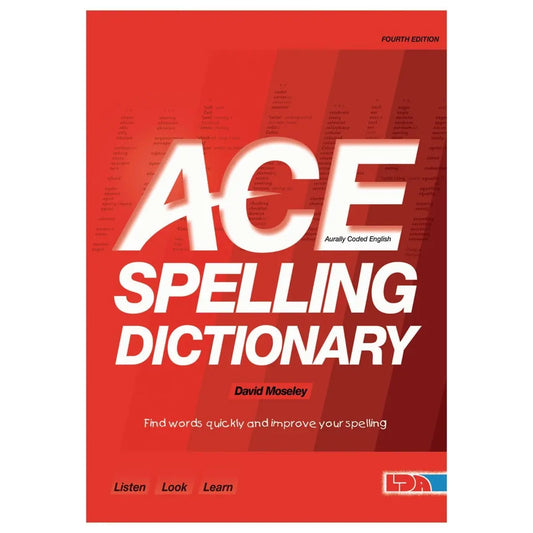
ACE Spelling Dictionary
Regular price £18.99 GBPRegular priceUnit price per -
Oxford Phonics Spelling Dictionary
Regular price £10.99 GBPRegular priceUnit price per -
Chambers Essential Learners Dictionary (including CD)
Regular price £11.99 GBPRegular priceUnit price per


Frequently asked questions
What is the difference between a spelling dictionary and a normal dictionary?
A normal dictionary lists words alphabetically and explains what they mean, so you need to know how a word starts before you can find it. A spelling dictionary is organised so you can find a word by how it sounds and then check the correct spelling. It is designed for writing rather than reading, which makes it quicker for pupils who are unsure how to spell a word.
Which dictionary is best for a 5 to 7 year old?
For ages 5 to 7, choose a dictionary built around phonics. The Oxford Phonics Spelling Dictionary orders around 4,000 words by their sounds and follows the Alphabetic Code Chart used in synthetic phonics, so it links directly to the way reading and spelling are taught in Reception and Key Stage 1. Oxford University Press recommends it for children aged 5 to 7.
How do you use the ACE Spelling Dictionary?
Say the word aloud and listen for the first vowel sound. The ACE Spelling Index then directs you to the page where the word is listed, so you do not need to know how it is spelt to find it. The dictionary includes 'how to use' guidance for new and experienced users, and it highlights spelling patterns so pupils learn as they look words up.
Can a spelling dictionary help a child with dyslexia?
Yes. A spelling dictionary gives a dyslexic learner an independent way to check words while writing. Sound-based dictionaries such as the ACE Spelling Dictionary and the School Spelling Dictionary let pupils look a word up as it sounds, which removes the barrier of needing to know the correct first letters. Around 1 in 10 people are dyslexic, according to the British Dyslexia Association.
Are spelling dictionaries good for whole-class use in primary schools?
Yes. A class set of spelling dictionaries lets pupils check words for themselves during independent writing, which frees up adult time and builds good habits. The School Spelling Dictionary covers Key Stages 1 to 3, so one title can serve several year groups. Our team can help you choose quantities, and schools can order on a 30-day credit account.
Can adults use a spelling dictionary?
Yes. The ACE Spelling Dictionary is designed for writers of all ages who need to check spellings, and its sound-based index makes it quick to use at home, at college or at work. Adults learning English as an additional language may prefer the Chambers Essential Learners' Dictionary, which explains meanings in clear, simple language and highlights common learner errors.