
-
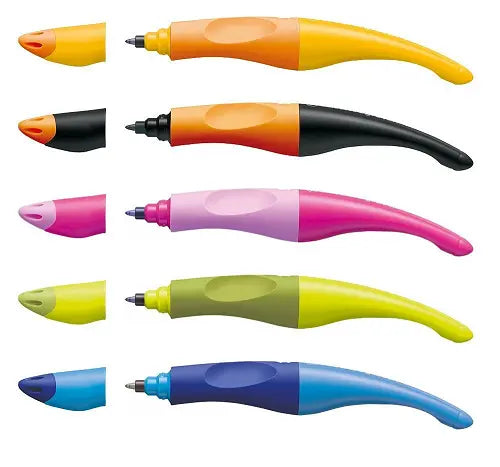
Stabilo EASY Original Pen
Regular price £9.82 GBPRegular priceUnit price per -
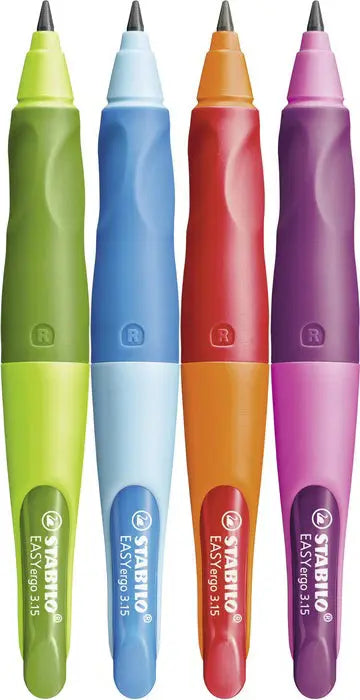
Stabilo EASYergo 3.15 Ergonomic Mechanical Pencil
Regular price £9.56 GBPRegular priceUnit price per -
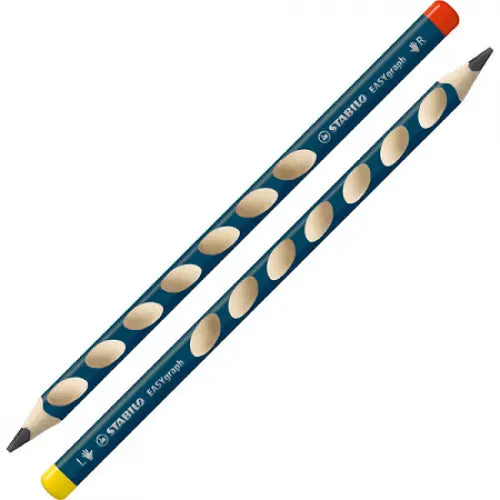
STABILO EASYgraph ergonomic pencils
Regular price From £2.12 GBPRegular priceUnit price per -
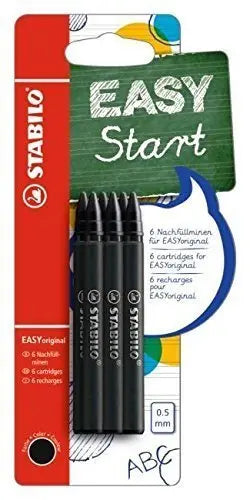
Stabilo EASY Original Pen Refill
Regular price From £2.50 GBPRegular priceUnit price per -
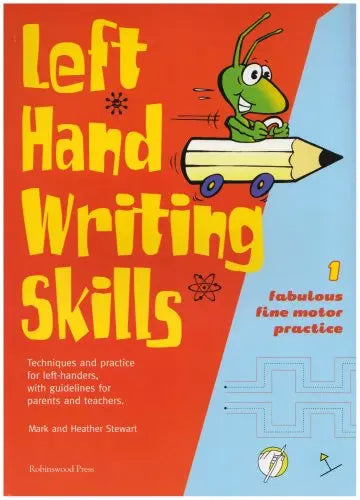
Left Hand Writing Skills: Fabulous Fine Motor Practice Book 1
Regular price £7.95 GBPRegular priceUnit price per -
Stabilo EASY Original Pen
Regular price £9.82 GBPRegular priceUnit price per -
 Sold out
Left Hand Writing Skills Book
Regular price £19.97 GBPRegular priceUnit price per -
Zebra Pen Z-Grip Retractable Ballpoint Pen - Pack of 12
Regular price £4.49 GBPRegular priceUnit price per -
Zebra Pen Z-Grip Retractable Ballpoint Pen - Pack of 8
Regular price £2.99 GBPRegular priceUnit price per -
Zebra Pen Z-Grip Animal Retractable Ballpoint Pen
Regular price From £2.29 GBPRegular priceUnit price per -
Colored pencils GRIPPY 6-Set with Sharpener
Regular price £13.99 GBPRegular priceUnit price per -
STABILO SENSOR fine 0.3mm - Fineliner with Cushioned F-Tip
Regular price £4.00 GBPRegular priceUnit price per -
Colored pencils GRIPPY 6-Set
Regular price £11.99 GBPRegular priceUnit price per -
Ring Pen Ergonomic Pen - Black
Regular price £19.49 GBPRegular priceUnit price per -
Ring Pen Ultra - Ergonomic Universal Pen/Pencil Grip
Regular price £19.49 GBPRegular priceUnit price per -
Zebra Z-Grip MAX Ballpoint Pens Black Ink - Pack of 3
Regular price £2.75 GBPRegular priceUnit price per


Frequently asked questions
What makes a pen or pencil left-handed?
The grip. On a left-handed pen the moulded finger recesses are mirrored, so a left hand's thumb and fingers land where they naturally fall rather than being nudged into a right-handed position. A symmetrical barrel seems like it should suit everyone, but over a full page a slightly wrong hand position becomes hand ache and deteriorating letter formation.
Why does left-handed writing smudge?
Because a left-hander writes left to right with their hand travelling across what they have just written, meeting the ink before it dries. Tilting the paper clockwise by 30 to 45 degrees is the single most effective fix, since it lets the hand sit below the writing line. Using a pencil or a faster-drying ink rather than a heavy gel also helps considerably.
Are left-handed pens worth buying, or will an ordinary pen do?
An ordinary pen works, which is exactly why the problem goes unaddressed for years. A left-handed pen costs much the same and removes a small, constant disadvantage rather than asking the writer to compensate for it. For a child forming handwriting habits, or an adult writing at length, that difference compounds. For occasional note-taking, it matters less.
Is left-handedness a special educational need?
No. Left-handedness is a normal variation, not a disability or a learning difficulty, and it needs equipment rather than intervention. It is worth saying because the two get conflated. Where a left-handed writer also has dysgraphia or dyspraxia, the handwriting difficulty is the thing being supported, and a correctly shaped pen simply removes one avoidable obstacle alongside that support.
What age can a child start using a left-handed pen?
Ergonomic left-handed pencils suit children from the point they begin forming letters, since a pencil is forgiving and does not smudge. Left-handed rollerball pens generally suit children from around six, once letter formation is reasonably secure and they are moving towards pen work. Check the age guidance on each product, as it varies across the range.
How can schools support left-handed pupils?
Keep left-handed pens and ergonomic pencils in general classroom stock rather than ordering them individually, since roughly one pupil in ten is left-handed. Seat left-handed pupils on the left of a shared desk so elbows do not collide. Teach the clockwise paper tilt explicitly in early handwriting lessons, because most left-handers otherwise discover the hooked grip on their own.
Do left-handed pens help adults at work?
Yes, particularly for anyone who writes by hand at length, in meetings, on site or on forms. Many left-handed adults have written with hand ache for so long that they assume it is simply how writing feels. A pen with a correctly moulded grip usually resolves it, and refillable models keep the ongoing cost to the cartridge alone.