
-
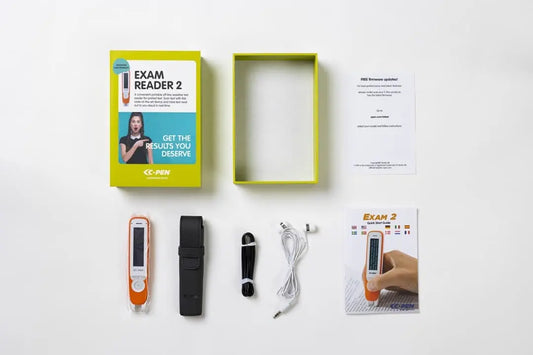
C-Pen Exam Reader 2 - Dyslexia Reading Pen for JCQ-Regulated Exams
Regular price £300.00 GBPRegular priceUnit price per -
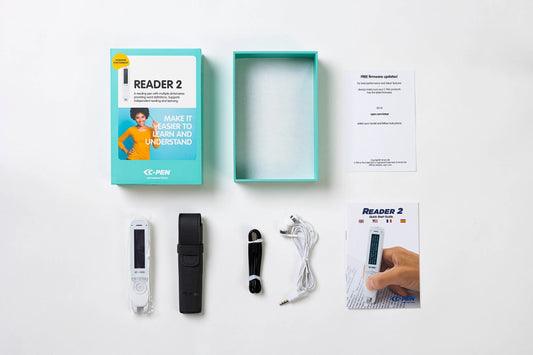
C-Pen Reader 2 — Text-to-Speech Reading Pen for Dyslexia
Regular price £300.00 GBPRegular priceUnit price per -
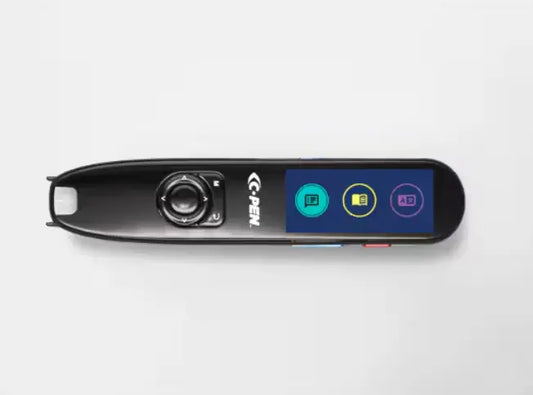
C-Pen Reader 3 – Reading Pen for Dyslexia
Regular price £324.00 GBPRegular priceUnit price per -
OrCam Learn Basic – Advanced Reading Support for All Learners
Regular price £598.00 GBPRegular priceUnit price per -
IRISPen Reader 8
Regular price £129.99 GBPRegular priceUnit price per -
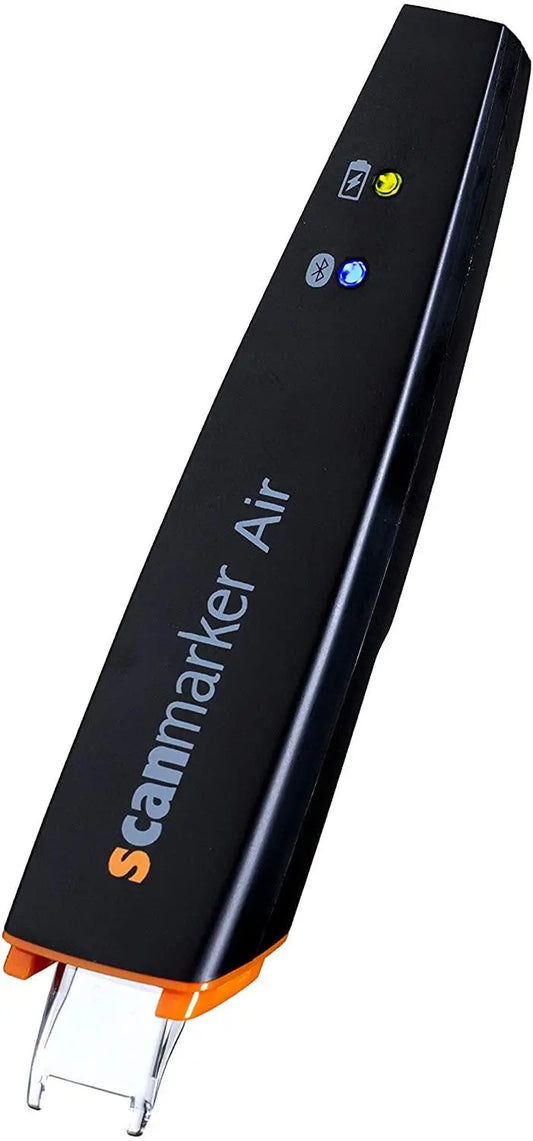
Scanmarker Air Pen Scanner - OCR Digital Highlighter and Reader - Wireless (Mac Win iOS Android)
Regular price £131.99 GBPRegular priceUnit price per -
RocketPen Exam Reading Pen for Dyslexia | GCSE, A-Level and SATs
Regular price From £285.00 GBPRegular priceUnit price per£2,748.00 GBPSale price From £285.00 GBPSale -
Scanmarker Pro – Multilingual Reading & Translation Pen with Real-Time Text-to-Speech
Regular price £239.99 GBPRegular priceUnit price per -
IRISPen Air – Wireless Pen Scanner & Translator for All Ages
Regular price £161.99 GBPRegular priceUnit price per -
RocketPen Reader – Assistive Reading Pen for Dyslexia and Learning Support
Regular price From £289.99 GBPRegular priceUnit price per -
e-pens Explore Scanner
Regular price £160.00 GBPRegular priceUnit price per -
C-Pen Lingo 3
Regular price £324.00 GBPRegular priceUnit price per -
Orcam Read 3
Regular price £2,080.00 GBPRegular priceUnit price per -
ScanMarker Max — Reading & Translation Pen with Exam Lock
Regular price £315.00 GBPRegular priceUnit price per£190.00 GBPSale price £315.00 GBP -
ScanMarker Case
Regular price £15.99 GBPRegular priceUnit price per -
ScanMarker Scanning Pen Replacement USB-C Wired Headphones
Regular price £15.99 GBPRegular priceUnit price per






Frequently asked questions
What is a reading pen and how does it work?
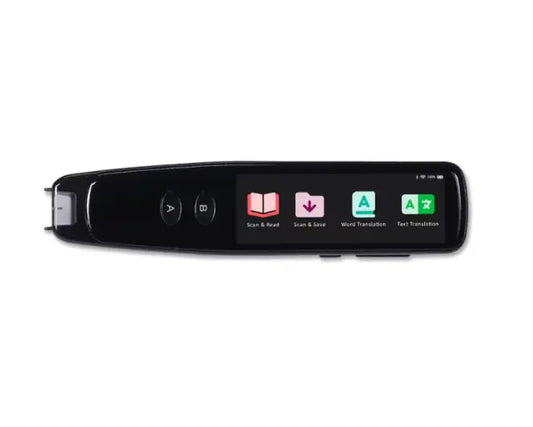
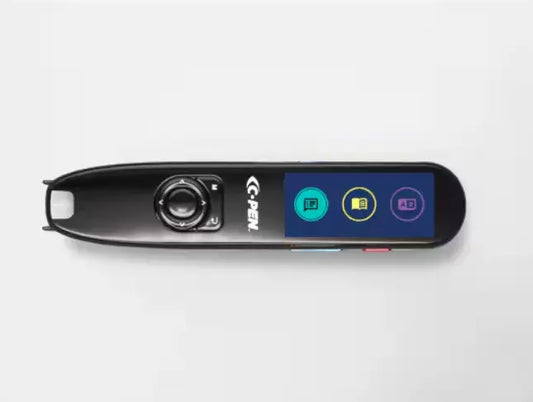
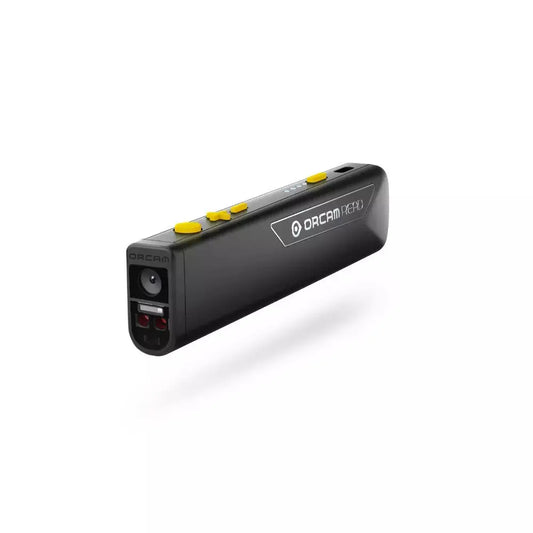
A reading pen is a handheld scanning device that reads printed text aloud through a built-in speaker or earphones. The user runs the tip of the pen across a line of text and the pen converts it to speech in real time. Reading pens support independent reading for SEND learners with dyslexia, giving access to books, worksheets and exam papers without needing a human reader.
Are reading pens allowed in GCSE and A Level exams?
Yes. The JCQ (Joint Council for Qualifications) permits exam-approved reading pens in GCSEs, A Levels and other regulated assessments where a candidate only needs occasional words or phrases read aloud. The pen must have no dictionary, thesaurus or data storage functions, or these features must be permanently disabled. The candidate must also have used the pen routinely in class as their normal way of working (NWoW).
Does a school need to apply through AAO for a candidate to use a reading pen?
No. For occasional reading support, an examination-compliant reading pen is permitted without an Access Arrangements Online (AAO) application. The SENCo needs to confirm the pen reflects the candidate's normal way of working and keep classroom and mock-exam evidence on file for JCQ inspection. If the candidate needs an entire paper read aloud, a Form 9 application for a computer reader is the correct route.
How do reading pens help children with dyslexia?
Reading pens decode printed text on demand, removing the barrier of slow or effortful word recognition that holds back many readers with dyslexia. By hearing a word read aloud while still seeing it on the page, the dyslexic reader keeps their place, comprehends meaning faster and builds reading confidence. The pen reduces fatigue, supports independent learning and lets the reader focus on understanding rather than decoding individual words.
What is the difference between the C-Pen Reader 2 and the C-Pen Exam Reader 2?
The C-Pen Reader 2 is the full-feature everyday pen for home and school, with a built-in dictionary, voice recorder, file storage and translation. The C-Pen Exam Reader 2 is the JCQ-compliant exam version with the dictionary, recorder and storage features permanently disabled, ready for use in regulated exams. Many schools buy both - the Exam Reader 2 for the exam room and the Reader 2 for everyday classroom and homework use.
What age are reading pens suitable for?
Reading pens suit confident readers from around age 7 upwards (Year 3 and above) and work well throughout secondary school, college and adult life. Younger children sometimes find the scanning motion tricky to control, so reading rulers or coloured overlays may be a better starting point at Key Stage 1. By Years 3 to 4 most children with dyslexia can use a reading pen independently with a short period of practice.
Do reading pens work on handwritten text?
No. Reading pens scan printed text only and cannot reliably read handwriting, whiteboard notes or low-contrast print. They work best on standard textbook fonts, exam papers, worksheets and most paperbacks. Very glossy paper and very small print can cause scanning errors. For best results, use the pen on matt paper in good light with a font size of at least 8 to 10 point.