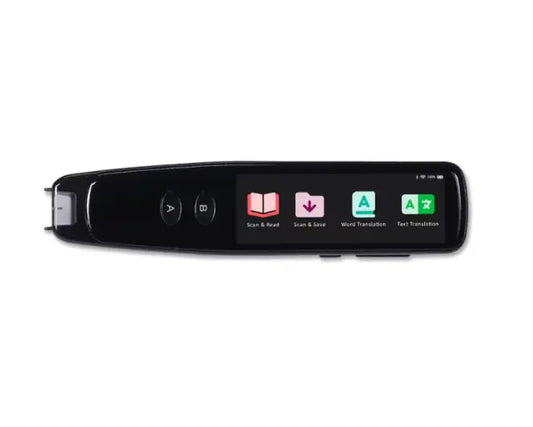
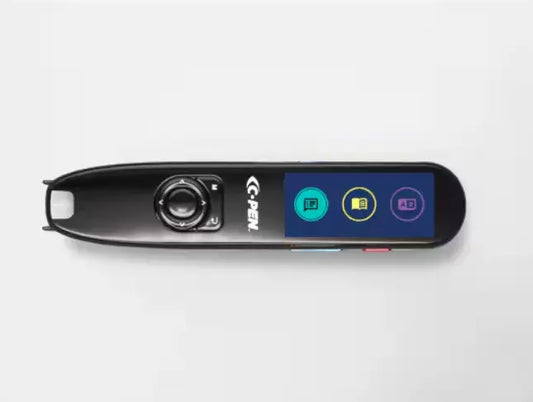
Our Top Pick
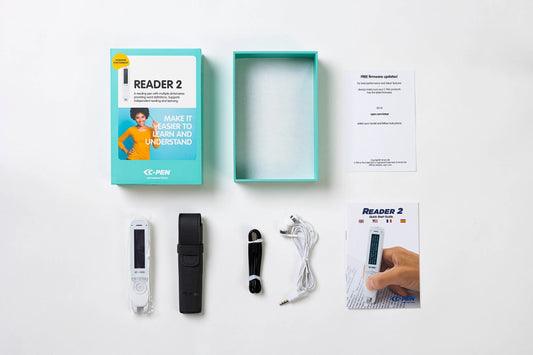
The C-Pen Reader 2 is one of the most trusted reading pens available, used widely in UK schools and homes. It scans printed text and reads it aloud through its built-in speaker or earphones, with a high-accuracy OCR engine and an integrated Cambridge Dictionary so users can look up words on the spot. It works as a standalone device with no Wi-Fi or software needed, making it reliable in any setting -- from classrooms to exam conditions to everyday home use.
Price: £300.00 | View the C-Pen Reader 2
How do reader pens help with dyslexia?
Reading difficulties linked to dyslexia often make it hard to decode text quickly and accurately. A reader pen removes that barrier by doing the decoding instantly. The user scans a word or sentence, hears it read aloud, and can keep pace with the material rather than getting stuck. This builds reading confidence alongside comprehension -- the two tend to improve together when the frustration is removed.
Many reader pens also include built-in dictionaries, translation support, and the ability to store or export scanned text. For students with EHCPs or those receiving SEND intervention, they support greater independence during lessons, homework, and examinations.
How to choose the right reader pen
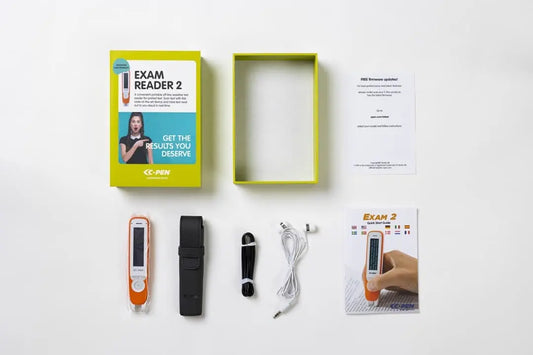
The most important question is where the pen will be used. If it is for formal examinations, you need a JCQ-approved model such as the C-Pen Exam Reader 2 or RocketPen Exam, which are accepted in GCSE, A Level, and other regulated assessments. These differ from standard assistive pens, so it is worth confirming approval before purchasing for exam use.
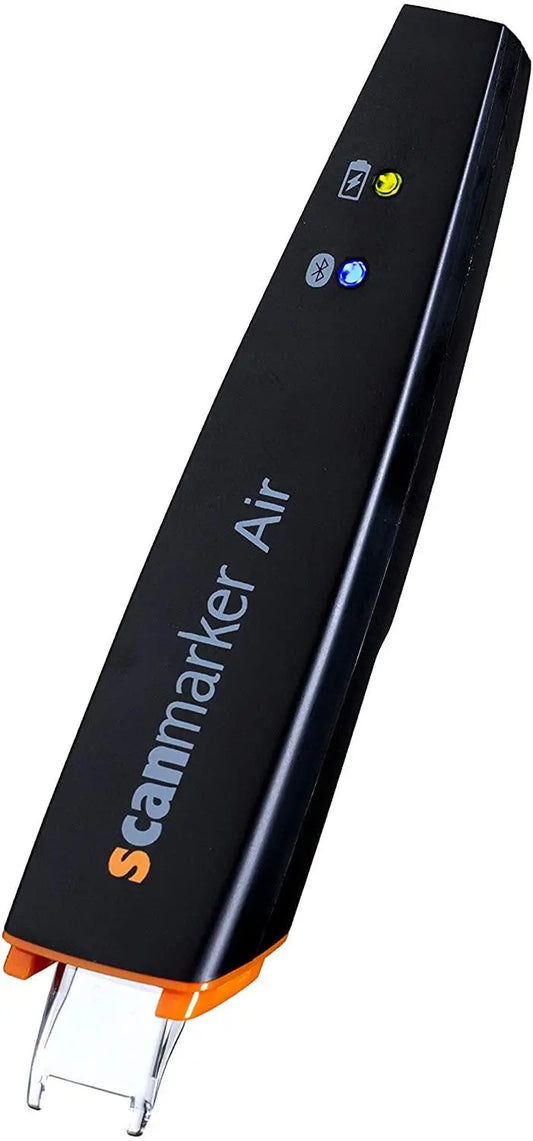
For classroom and home use, accuracy, battery life, and ease of use are the main factors to consider. C-Pen and Scanmarker models are popular choices because they are straightforward to operate -- important for younger users or anyone who finds technology daunting. If the user reads across multiple languages, look for a pen with built-in translation such as the C-Pen Lingo 3 or Scanmarker Pro.
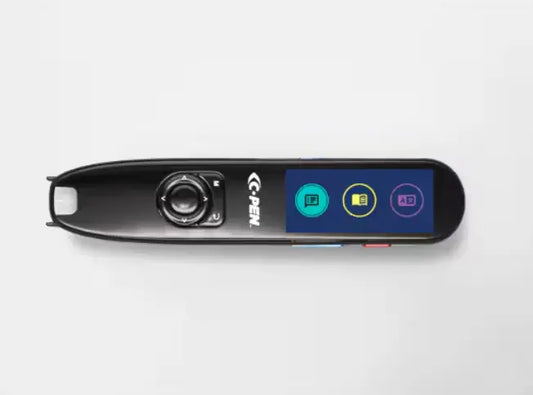
Budget varies considerably across the range. Entry-level scanning pens such as the IRISPen Reader 8 start from around £130, while full assistive devices with built-in dictionaries and exam approval such as the C-Pen Reader 3 are typically £280 to £325. Schools ordering in bulk can benefit from our C-Pen Exam Reader 2 Classroom Pack -- contact us for school pricing and PO options.
Who are reader pens for?
Reader pens are used across a wide range of ages and settings. In schools, they are commonly provided as part of SEND support plans and EHCP provision, giving students independent access to text during lessons and controlled assessments. SENCOs and learning support staff often recommend them as a practical, low-profile tool that does not draw attention in the classroom.
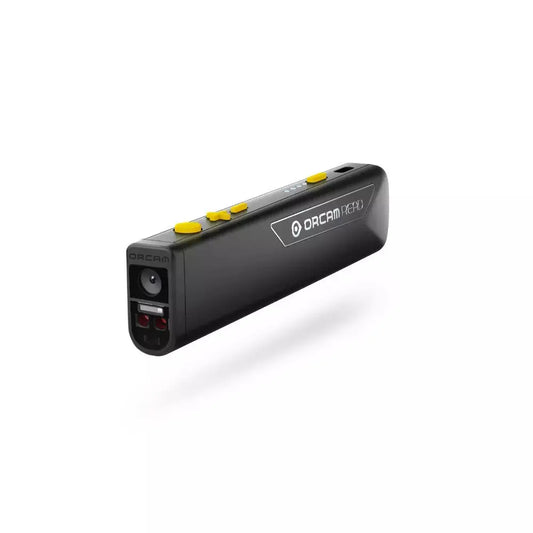
Adults with dyslexia also find reader pens genuinely useful for workplace documents, reports, and everyday reading tasks. Devices like the Orcam Read 3 go further still, reading full pages hands-free for those who need a higher level of support. All our pens are discreet, portable, and do not require a smartphone or data connection -- making them a reliable option wherever reading support is needed.
Browse our full range of reader pens below, or get in touch if you need help choosing the right pen or want to discuss school and bulk orders.