


The Dyslexia Shop
A4 Tinted Exercise Book, 7mm Lined - Visual Stress, Grey Cover
A4 Tinted Exercise Book, 7mm Lined - Visual Stress, Grey Cover
SKU:ST250-AQUA
Couldn't load pickup availability


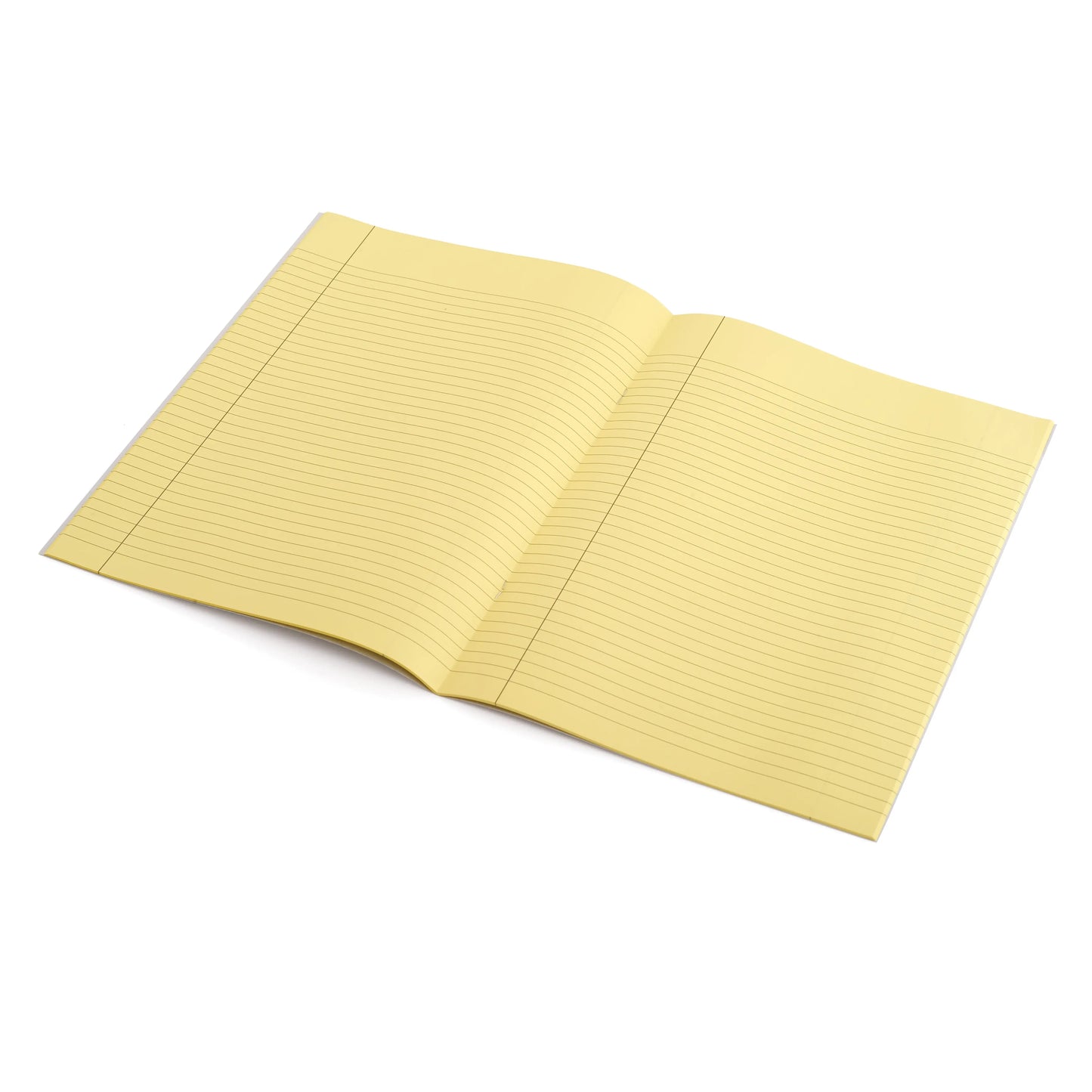
A4 Tinted Exercise Book for pupils with visual stress
The A4 Tinted Exercise Book is a 48-page, 7mm-lined writing book printed on coloured 80gsm paper. It is designed for use in UK primary and secondary schools to support pupils with visual stress, also known as Meares-Irlen Syndrome. Each book has a grey outer cover for classroom uniformity, and the internal pages are available in nine tints so each pupil can use the colour that best suits their visual processing needs.
How tinted paper helps in the classroom
Visual stress is a perceptual condition in which black text on white paper can appear to move, blur, glare or shimmer. Affected pupils may report headaches, sore eyes, missed lines, and produce work with poor presentation. Replacing white paper with a tinted background reduces these symptoms for many learners. Although visual stress is not the same condition as dyslexia, it is more common among dyslexic readers than in the general population, which is why tinted exercise books are a frequent adjustment recorded on SEN provision maps.
Built around school use
- Compatible with the SEND Code of Practice graduated approach, sitting naturally within the Assess, Plan, Do, Review cycle.
- Nine internal tints (Aqua, Blue, Cream, Green, Lilac, Orange, Pink, Turquoise, Yellow) so each pupil can use their assessed colour without standing out.
- Uniform grey outer cover keeps the classroom presentation consistent for book scrutiny and shelf storage.
- Three pack options: single book, pack of 10 in one colour, or one-of-each-colour sample pack to support trialling and rollout.
- Pairs with coloured overlays and reading rulers for a joined-up visual stress support pathway across reading and writing tasks.
Visual stress and dyslexia in the same pupil
For pupils with assessed visual stress, the tinted page provides a calmer reading and writing background that reduces glare and pattern stress. For dyslexic pupils who also experience visual stress, the tinted page does not treat dyslexia itself, as dyslexia is a phonological rather than visual difficulty. It can, however, reduce the visual barrier that sits on top of decoding work, making sustained writing tasks less tiring. Pupils typically work best on the colour identified during a coloured overlay screening or a colorimetry assessment by a specialist optometrist.
Evidence and professional context
The use of individually selected coloured overlays and tinted paper to reduce visual stress symptoms is supported by published research and is recognised by professional bodies including the College of Optometrists and the Society for Coloured Lens Prescribers. The British Dyslexia Association lists visual stress as a frequent co-occurring difficulty alongside dyslexia and recommends visual screening as part of a graduated approach to support.
Order options for schools
Buy as single books, packs of 10, or one of each colour to trial the full tint range. For larger school orders or repeat termly purchases, contact The Dyslexia Shop directly for bulk pricing, school account terms, and 30-day credit on purchase orders.
- What is the A4 7mm Lined Tinted Exercise Book?
It is a 48-page A4 exercise book printed on coloured 80gsm paper, with 7mm horizontally ruled lines and a margin on both sides of every page. The cover is grey for classroom uniformity, and the internal pages are available in a choice of nine tints. It is designed to reduce visual stress for pupils who find white paper uncomfortable for reading and writing. - How does coloured paper help pupils with visual stress?
Coloured paper reduces the high contrast between black ink and white background that triggers visual stress symptoms. For affected pupils, tinted backgrounds can reduce text movement, glare, blurring, and eye fatigue. The right colour is individual, which is why these exercise books come in nine tints and why most schools confirm a pupil's colour through a coloured overlay or colorimetry assessment. - Is this exercise book suitable for dyslexic pupils?
Tinted exercise books do not treat dyslexia directly, as dyslexia is a phonological difficulty rather than a visual one. However, visual stress is more common among dyslexic readers than in the general population, and for those pupils a correctly chosen tint can reduce the visual barrier on top of decoding difficulties. We recommend pairing tinted books with structured literacy support for the dyslexic component. - Which year groups is this exercise book suitable for?
The 7mm line spacing suits pupils from late Key Stage 1 through Key Stage 5, as well as adult learners. The 7mm ruling is a common UK secondary-school size and works well for pupils whose handwriting has matured beyond wider primary lines. For younger pupils still working on letter formation, a wider-lined tinted handwriting book is usually a better fit. - How do schools work out which colour is right for each pupil?
Most schools start by trialling coloured overlays across the available tints and noting which colour the pupil reports as most comfortable. A specialist optometrist or qualified colorimetrist can then confirm the tint through a formal assessment. The same colour identified during overlay or colorimetry testing is the one ordered for that pupil's exercise books, paper, and internal exam scripts. - Can these tinted exercise books be used in GCSE or A-Level exams?
In external GCSE and A-Level exams, candidates write on the official answer paper provided by the awarding body, so the exercise books themselves are not used in the exam. Candidates with documented visual stress may apply through JCQ Access Arrangements Online for coloured answer paper as a non-standard arrangement. For internal exams, mocks, and revision the tinted exercise books can be used freely. - What pack sizes are available for schools?
The book is available as a single copy, a pack of 10 in the same colour, or a sample pack of one of each colour. Single books suit individual SEN provision, packs of 10 work well for class sets where several pupils share the same tint, and the sample pack lets a SENCo trial all nine colours with a pupil before committing to a colour for the year. - How does this support the SEND Code of Practice graduated approach?
Tinted exercise books fit the Assess, Plan, Do, Review cycle of the SEND Code of Practice. After a pupil's visual stress is assessed and a tint identified, the school plans tinted resources into daily provision, the pupil uses them across subjects, and the impact is reviewed against reading fluency, presentation, and pupil-reported comfort. They sit naturally alongside coloured overlays and reading rulers within Quality First Teaching.