
-
Wizards of Mathland™
Regular price £19.96 GBPRegular priceUnit price per -
The Maths and Dyscalculia Assessment – Identify Gaps & Plan Support
Regular price £49.99 GBPRegular priceUnit price per -
Wooden Numbers
Regular price £13.00 GBPRegular priceUnit price per -
Yes, but why? Teaching for understanding in mathematics
Regular price £21.99 GBPRegular priceUnit price per -
Elephant in the Classroom ; Helping Children Learn and Love Maths
Regular price £12.99 GBPRegular priceUnit price per -
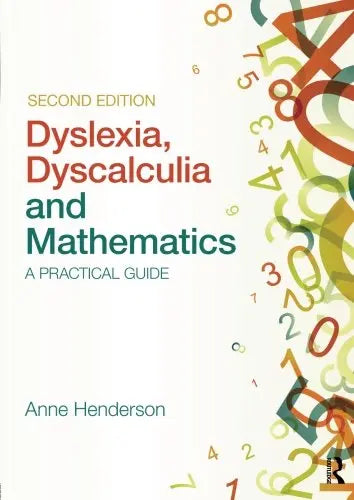
Dyslexia, Dyscalculia and Mathematics A practical guide, 2nd Edition
Regular price £34.99 GBPRegular priceUnit price per -
Succeed with Dyscalculia - Book 4: Understanding Addition and Subtraction (Part A)
Regular price £29.99 GBPRegular priceUnit price per -
Spotty Dog Addition Game
Regular price £11.96 GBPRegular priceUnit price per -
KS1 Maths Revision Success Practice Workbook (Letts - New Curriculum)
Regular price £4.99 GBPRegular priceUnit price per -
Succeed with Dyscalculia - Book 3: Place Value to 1000
Regular price £33.99 GBPRegular priceUnit price per -
Succeed with Dyscalculia - Book 2: More Number Bonds Combinations for and to 10
Regular price £29.99 GBPRegular priceUnit price per -
Succeed with Dyscalculia - Book 1: Number Bonds Combinations for and to 10
Regular price £23.99 GBPRegular priceUnit price per -
Primary Bucket Balance - Learning Resources
Regular price £19.99 GBPRegular priceUnit price per -
Teacher's Place Value Chart (Hundred's, Tens & Units) - Horizontal
Regular price £4.99 GBPRegular priceUnit price per -
Child's 0-20 Number and Functions Card Set - Cream
Regular price £2.99 GBPRegular priceUnit price per -
Flexitable Mixed School Pack - 40 Maths Grids for Dyscalculia
Regular price £192.00 GBPRegular priceUnit price per




Frequently asked questions
What resources help a child with dyscalculia?
Hands-on, visual maths resources help a child with dyscalculia most, because they make numbers concrete. Useful examples include tens frames, number beads, place value charts, counting rulers and folding times table grids such as Flexitable. Structured books such as The Dyscalculia Toolkit add games and activities. Choose resources that match the skill your child finds hardest, and use them little and often.
How can teachers support pupils with dyscalculia in the classroom?
Teachers support pupils with dyscalculia by using concrete resources, visual models and small, carefully sequenced steps. Manipulatives such as tens frames, place value charts and Flexitable grids help pupils see the maths. Extra time, reduced numbers of questions and regular small-group intervention also help. SENCOs can record these strategies as part of SEN support or a pupil's EHCP.
How can I help my child with dyscalculia at home?
You can help your child with dyscalculia at home through short, relaxed practice sessions using the same hands-on tools their school uses. Counting games, dice games, folding grids and counting rulers let children explore number without pressure. Keep sessions to around 10 to 15 minutes, praise effort rather than speed, and talk to your child's teacher or SENCO about what is working in class.
What is the difference between dyscalculia and maths difficulties?
Dyscalculia is a specific, persistent difficulty with understanding numbers and quantities, while maths difficulties are much broader. The British Dyslexia Association estimates that 25% of people have maths learning difficulties but only about 6% have dyscalculia. Other causes of maths difficulties include dyslexia, dyspraxia (DCD), ADHD, missed schooling and maths anxiety. A specialist assessment helps tell them apart.
Are dyslexia and dyscalculia linked?
Dyslexia and dyscalculia are separate specific learning difficulties, but dyslexia can also affect maths. The British Dyslexia Association lists dyslexia, dyspraxia (DCD) and ADHD among the neurodiverse conditions that can cause maths difficulties, alongside maths anxiety. Visual, hands-on dyscalculia resources support both groups of learners, so many of our maths tools suit dyslexic learners too.
Which maths manipulatives are best for dyscalculia?
The best maths manipulatives for dyscalculia show number structure clearly, such as tens frames, number beads, place value charts, Numicon shapes and Cuisenaire-style rods. Folding grids like Flexitable support times tables, fractions and the 100 square. Simple, uncluttered resources work best. Introduce one manipulative at a time and move from concrete objects to pictures and then to written numbers.