
-
Number Line 0 - 20
Regular price £4.00 GBPRegular priceUnit price per -
Number Line 0 - 100
Regular price £1.99 GBPRegular priceUnit price per -
Flexitable Fraction, Percentage & Decimal Folding Grid - Dyscalculia
Regular price From £12.00 GBPRegular priceUnit price per£0.00 GBPSale price From £12.00 GBP -
Phoneme Frames (6 Sections)
Regular price £1.50 GBPRegular priceUnit price per -
Base Ten Set - Pk121
Regular price £20.99 GBPRegular priceUnit price per -
Handy-Board - Pen - Bag
Regular price £1.99 GBPRegular priceUnit price per -
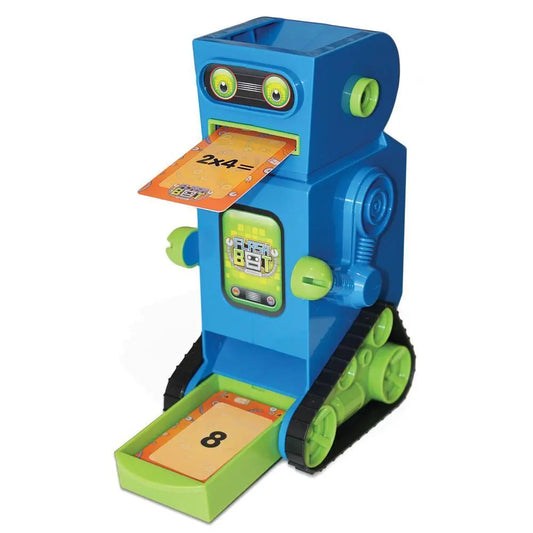
Flashbot - Junior Learning
Regular price £14.99 GBPRegular priceUnit price per -
Phoneme Frames (3 Sections)
Regular price £1.50 GBPRegular priceUnit price per -
Money Snap
Regular price £7.99 GBPRegular priceUnit price per -
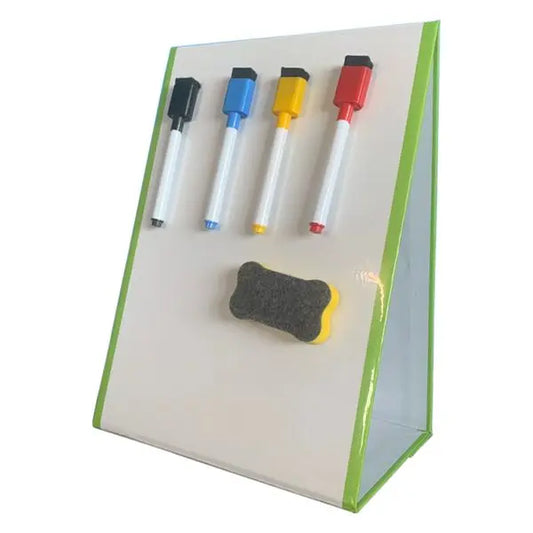
A4 Tabletop Magnetic Dry Erase Whiteboard Easel
Regular price £12.98 GBPRegular priceUnit price per -
First 300 High Frequency Words Flash Cards
Regular price £25.00 GBPRegular priceUnit price per -
Flexitable 100 Number Square - Folding Maths Grid for Dyscalculia
Regular price £12.00 GBPRegular priceUnit price per£0.00 GBPSale price £12.00 GBP -
Child's Hundred Square - Medium
Regular price £2.50 GBPRegular priceUnit price per -
Write 'n' Wipe Poster-Pen - Plain
Regular price £4.99 GBPRegular priceUnit price per -
Fractions Flips
Regular price £10.00 GBPRegular priceUnit price per -
Flexitable Addition & Subtraction Folding Grid - Dyscalculia
Regular price From £12.00 GBPRegular priceUnit price per£0.00 GBPSale price From £12.00 GBP






Frequently asked questions
What maths resources does a primary classroom need?
A primary classroom needs a core set of maths manipulatives: counters, linking cubes, number lines and tracks, ten frames, base ten (Dienes) blocks, an abacus, fraction pieces, 2D and 3D shapes, and measuring equipment such as balances and tape measures. Teacher demonstration versions, such as magnetic base ten for the whiteboard, help the whole class follow the same model in Key Stage 1 and Key Stage 2.
What are concrete resources in maths?
Concrete resources are physical objects children can handle and move to understand a maths idea, such as counters, cubes, Numicon shapes, bead strings and Dienes blocks. They form the first step of the concrete, pictorial and abstract (CPA) approach used in maths mastery teaching, where pupils move between real objects, drawings and written numbers until the idea is secure.
Are Dienes and base ten blocks the same?
Yes, Dienes and base ten blocks are the same thing: unit cubes, ten rods, hundred flats and thousand cubes that show place value by size. They are named after Zoltan Dienes, a Hungarian mathematician. Ten unit cubes match one rod and ten rods match one flat, so children can see and exchange ones, tens, hundreds and thousands when they add and subtract.
Can I use Numicon at home?
Yes, Numicon works well at home as well as at school. Numicon is a multi-sensory maths approach published by Oxford University Press, and its shapes use holes to represent the numbers 1 to 10, so children can see and feel how numbers relate. Home kits let parents practise counting, number bonds and early addition alongside what their child is learning in class.
What is the concrete pictorial abstract approach in maths?
The concrete pictorial abstract (CPA) approach teaches a maths idea first with real objects, then with pictures or diagrams, then with numbers and symbols. It is central to maths mastery teaching in many primary schools. The NCETM stresses that moving between the three representations matters more than working through them in a fixed order, so pupils return to concrete equipment when they meet new ideas.
What maths resources help a child with dyscalculia?
Structured, visual maths resources help a child with dyscalculia because they turn number relationships into something the child can see and touch. The British Dyslexia Association suggests concrete supports such as a number line or times table square, and many teachers also use Hungarian number frames, bead strings and base ten. Talk to your child's school SENCO about the right support, as every learner is different.